1 - 4 of 4 Posts

xmelissaa

Active member
Is making koulouri a simple matter of making a regular bread dough and then forming it into rings? I loooove koulouri when I go to Greece, and I am unfortunately not always able to get to Greece. I need a way to make this at home.

I love the type with the sesame seeds, and I also love the sweet ones. How do you make those? Can I make like a tsoureki but form it into instead?
 
When I make koulouri I just use whichever bread recipe I am in the mood for, and then form it into rings instead of loaves. I like to brush it with an egg wash and then sprinkle sesame seeds - I do this before cooking. The egg wash helps the sesame seeds stick.
 
  • Like
Reactions: xmelissaa
Hi Ladies,
The traditional recipe for koulouri asks to dip the ring in a honey water of grape must water before sprinkling with sesame seeds.
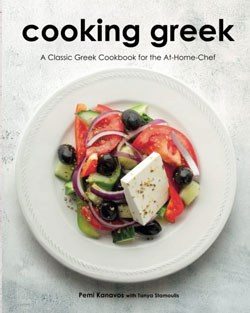
We have a great koulouri recipe in our Cooking Greek cookbook, if you would like to check it out.
 
I always use an egg wash! I like the idea of using honey water or grape molasses mixed with water to do it - I bet it gives it a nice flavor.
 
  • Like
Reactions: xmelissaa

Most misunderstood Greek dish outside of Greece?

I've noticed that some Greek dishes seem to have a very different reputation outside of Greece than they do within Greece itself. Sometimes a food becomes known through restaurants abroad, but the version people encounter isn't necessarily how it is traditionally made or how Greeks actually think about it.

For example, I've met people who think moussaka is something Greeks eat all the time, while others assume Greek food is mostly gyros, souvlaki, and Greek salad. Then there are dishes that seem almost unknown outside of Greece despite being common in Greek homes.

It made me wonder: what do you think is the most misunderstood Greek dish outside of Greece?

Is there a dish that people consistently get wrong, whether it's the ingredients, preparation, history, or how often it's actually eaten? I'd love to hear examples from different regions, family traditions, or experiences introducing Greek food to non-Greeks.

Greek herbs to grow in a summer garden?

I’m putting together a small summer herb garden this year and realized a lot of the flavors I associate most with Greek food come from really simple herbs.

Obviously oregano came to mind first, but then I started thinking about mint, dill, thyme, rosemary, and even things like mountain tea. It made me curious what herbs people from Greece or Greek families tend to actually grow at home during the summer months.

I also wasn’t sure if certain herbs are more connected to certain regions or types of cooking. Some seem tied to seafood dishes, others to roasted vegetables, grilled meat, pies, sauces, etc.

Would love recommendations, especially herbs that grow well in hotter weather and get used often in traditional Greek cooking. Curious what everyone here keeps planted during the summer.

Sharing Greek Food with Friends - Recommendations?

I’m having a few friends over for dinner soon, and none of them are Greek, so I thought it would be fun to make a full Greek-style meal for them. I grew up with Greek food, so a lot of dishes feel “normal” to me, but now I’m realizing I’m not sure what works best for people who didn’t grow up eating it.

I definitely want to include a few traditional dishes, but I also don’t want to overwhelm everyone with too many things at once. I was thinking maybe spanakopita, souvlaki, Greek salad, rice, and some kind of dessert like baklava or galaktoboureko. I’m also wondering if there are certain dishes that tend to be crowd favorites with people who are newer to Greek food.

What meals or combinations have worked well for you when introducing Greek food to non-Greek friends? Any suggestions for appetizers, sides, or desserts would be appreciated too.

What Makes a Perfect Greek Salad?

I've always loved a traditional Greek village salad (horiatiki), and the older I get, the more I appreciate how simple it is. For me, the perfect Greek salad starts with ripe tomatoes, cucumber, red onion, olives, a generous piece of feta on top, good olive oil, and a sprinkle of oregano. No lettuce—just the classic ingredients.

That got me wondering how everyone else likes their Greek salad. Do you prefer the traditional village-style version, or do you add other ingredients? I've seen some people include green peppers, capers, or even different types of cheese depending on the region.

I'm also curious about dressing preferences. Do you stick with olive oil, oregano, and maybe a little vinegar, or do you use something more elaborate?

What makes a Greek salad perfect in your opinion? I'd love to hear about family traditions, regional variations, and any tips for making it extra flavorful.

Greek street foods for summer?

I might be going to Greece in July, and one thing I’m really looking forward to is the street food. I’ve had gyros and souvlaki plenty of times here in the U.S., but I’m guessing the experience in Greece is completely different.

I’d love recommendations for the best street foods to try during the summer, especially things that are refreshing or easy to grab while walking around. Are there certain foods that are more popular in the hotter months? I’ve heard about koulouri in Thessaloniki and loukoumades from street vendors, but I’m sure there’s a lot more I don’t know about.

Also curious if there are regional specialties depending on which islands or cities you visit. I’m hoping to avoid overly touristy spots and try things locals actually eat regularly. What street foods would you put at the top of the list?
Sign up for a free account and share your thoughts, photos, questions about Greek food, travel and culture!

WorldwideGreeks.com is a free online forum community where people can discuss Greek food, travel, traditions, history and mythology.
Join Worldwide Greeks here!

JOIN COMMUNITY FOR FREE

LOGIN TO YOUR ACCOUNT
Back
Top