1 - 2 of 2 Posts

kcixcy

Active member
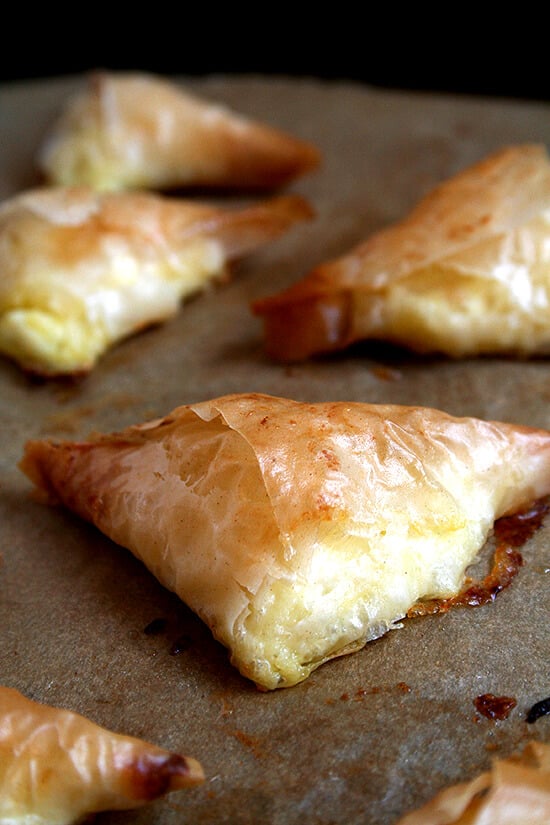
Does anyone here have a good tiropita recipe they'd like to share? My husband just told me that it was one of his favorite dishes and I want to surprise him by making it. I tried asking the ladies in his family and they tried to explain it, but no one has a recipe. I was thinking if maybe I could see a recipe, I could adapt it based on what they told me? I am sure he likes the way his family makes it best so I want to find a way to learn it, and then surprise him.

 

Most common Greek soups people make at home?

I’ve been thinking lately about how many soups are part of everyday Greek home cooking, especially compared to restaurant menus. Most people know avgolemono, but I’m curious what soups Greeks actually make regularly at home.

Growing up, I remember hearing about fasolada and lentil soup a lot, and I’ve also seen trahana mentioned in conversations online. It made me wonder what the “standard” soups are in different parts of Greece or in Greek families abroad.

What are the most common Greek soups people still cook today? Are they mostly winter foods, or are there lighter soups people make year-round? Also, are there any soups that are considered especially traditional for holidays, fasting periods, or village cooking?

Would love to hear what soups were common in your family growing up, or what you still make now.

Best Grill for Souvlaki?

I was reading something earlier and somehow ended up in a completely unrelated debate about grilling souvlaki, which got me thinking.

We started talking about what actually makes it taste better. One person was saying gas grills are just as good and much easier to control. I can understand that, but I’ve always leaned toward charcoal because it feels like you get more flavor from it. Then someone else chimed in and said charcoal is the way to go, but only if you’re using wood-based or natural briquettes.

Now I’m curious what people here think, especially those who make souvlaki often.

Do you notice a real difference between gas and charcoal? And if you use charcoal, does the type actually matter to you?

Regional Variations of Dolmades?

I’ve noticed something interesting with dolmades and wanted to see what others think.

I’ve had them in different parts of Greece, and they’re never exactly the same. Sometimes they’re more lemony, sometimes heavier on herbs, and other times the texture or filling feels completely different.

It made me wonder, are these differences mostly regional, or is it more about what ingredients are available at the time? I’ve seen versions with just rice, others with meat, and even small variations in how tightly they’re rolled or cooked.

Is there a “standard” version across Greece, or is variation part of the tradition? I’m really curious how people here think about it, especially if you’ve had them in multiple regions or grew up eating them at home.

Sharing Greek Food with Friends - Recommendations?

I’m having a few friends over for dinner soon, and none of them are Greek, so I thought it would be fun to make a full Greek-style meal for them. I grew up with Greek food, so a lot of dishes feel “normal” to me, but now I’m realizing I’m not sure what works best for people who didn’t grow up eating it.

I definitely want to include a few traditional dishes, but I also don’t want to overwhelm everyone with too many things at once. I was thinking maybe spanakopita, souvlaki, Greek salad, rice, and some kind of dessert like baklava or galaktoboureko. I’m also wondering if there are certain dishes that tend to be crowd favorites with people who are newer to Greek food.

What meals or combinations have worked well for you when introducing Greek food to non-Greek friends? Any suggestions for appetizers, sides, or desserts would be appreciated too.

Thoughts on Regional Greek Olive Oils?

I’ve recently started paying closer attention to Greek olive oil, and I’m realizing how much regional variation there seems to be. I always knew Greece produced incredible olive oil, but I didn’t fully understand how different oils from Crete, Kalamata, Lesvos, Peloponnese, and other regions can taste from one another.

Some people describe certain oils as peppery, grassy, buttery, fruity, or even slightly spicy, and I’d love to learn how to identify these differences better. I’m especially interested in what makes each region unique. Is it mostly the olive variety, the climate, the soil, or the production methods?

For those of you who really know Greek olive oil, how did you start learning? Are there specific regions or producers that are good starting points for beginners? I’d also love recommendations for oils that really represent their region well.
Sign up for a free account and share your thoughts, photos, questions about Greek food, travel and culture!

WorldwideGreeks.com is a free online forum community where people can discuss Greek food, travel, traditions, history and mythology.
Join Worldwide Greeks here!

JOIN COMMUNITY FOR FREE

LOGIN TO YOUR ACCOUNT
Back
Top