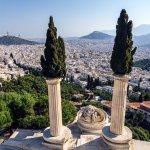
Athens is one of my favorite places to visit! It's so rich in history, culture, and even has a spirit of adventure. What I find most impressive are the ruins, museums, and other attractions. I thought I'd give list of my favorite places. What are your favorite places?
History
If you’re visiting Athens with history in mind, then it’s definitely worth exploring some of the most iconic landmarks such as The Acropolis – home to three remarkable buildings – the Parthenon temple dedicated to goddess Athena; Erechtheion shrine dedicated to god Poseidon; Temple of Athena Nike; Odeon Of Herodes Atticus theater known for its amazing acoustics; Ancient Agora – a large public square where people would mingle with traders and philosophers like Socrates who delivered his famous orations here; Stoa Poikile painted colonnade decorated by Polygnotos’ frescoes (5th century BC); Roman Forum with temples like Tower Of The Wind that originally served as an astronomical observatory.
Art
For art lovers looking for something more contemporary there are plenty of museums worth visiting such as National Archeological Museum which displays artifacts from all periods up to late antiquity era including treasures found during excavations at Delphi Oracle or Benaki Museum that houses more than 30 thousand Greek works from Byzantine period through modern era. If you have time make sure you check out Onassis Cultural Center which stages theatrical productions , concerts , exhibitions and workshops all year round . And don't forget Cycladic Art Museum founded by renowned sculptor Nicholas Tombazi displaying collections from Cycladic islands located near Athens (Aegina, Paros etc).
Food
Foodies will find Athens very appealing since it is one of Mediterranean's most vibrant cities when it comes to culinary scene aside from having traditional Greek staples such as Gyro souvlaki & Mousaka there are also amazing lobster restaurants located by sea overlooking Piraeus Harbor making sure locals can enjoy fresh seafood even during harsh winter season . Additionally Athenian street food vendors serve excellent dishes made on spot bound keep your energy levels up while walking around exploring various sites .
Leisure
Not only can visitors experience traditional greek hospitality but they also get pleasure out taking part in leisurely activities ranging anywhere between dancing at cultural festivals held throughout summer season (Athens Festival - June-July ; International Dance Festival - September) going go-karting racing at brand new tracks opening annually outside city limits or relaxing on surfing school courses ideal for beginner surfers starting their journey into discovering this extreme sport(Stavros Niarchos Foundation Cultural Centre being operator).
What do you like to do in Athens?



 news.gtp.gr