1 - 5 of 5 Posts

acamp7

Active member
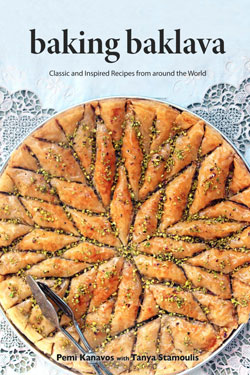
Every baklava syrup recipe I have ever seen is slightly different and I am trying to figure out what to do. Here are some ingredient combinations I have seen:

  • Only sugar and water
  • Sugar, water, and honey
  • sugar, water, honey, lemon
  • sugar, water, honey, orange
  • I've also seen people add rosewater or even orange blossom water
Which combination is the most "Greek"?
 
I learned how to make baklava from my mom's cousin who made the best baklava ever, and what's liked about it that it's not too sweet. The filling is 1lb chopped walnuts and 1 sleeve (usually 1/3) of a package of graham crackers. Turn crackers into crumbs. Add no sugar, cinnamon or anything to the nuts and finely ground graham crackers. Be sure to only use unsalted butter for brushing phyllo leaves. Use an 8x12 baking pan.

For syrup: 2 cups water and 2 cups sugar. You can add a bit of cinnamon if you like, but keep a light touch. Never use honey. It's too sweet. That's how I was taught. you can add some orange or lemon peel to syrup if desired. Bring to a boil, not too quickly, and it's done when the syrup falls off a wooden spoon in somewhat slow and thick consistency. When a drop on a small plate will hold its size, the syrup is done. Rosewater and orange blossom water may be regional. Don't think I've ever had either.

Score the pan of baklava with sharp knife into rows before baking. When done, pour totally cooled syrup over the baklava and let it soak in. Overnight is usually a good idea, or at least 6+ hours, to soak. You can put cool syrup on warm baklava or warm syrup on cooled baklava, but never warm syrup on warm baklava.

I don't know what is "most Greek," only what seems to taste best. Honey is too sweet. You shouldn't feel like you need to run to brush your teeth after eating a piece of baklava. Baklava should taste somewhat crunchy from phyllo and walnuts, buttery, and sweet coming from the syrup. Hope this helps!
 
Honey (from home beehives) and water. Einai to the best!!! ?
 
I have also seen cinnamon stick in the syrup, and some add a splash of cognac. There are all sorts of combos. And I do agree that the addition of honey makes it more sweeter. but honey is not used only for its sweetening properties, but for its ability to keep the sugar water for crystallizing after it has been poured on the baklava. Some people use corn syrup instead of honey for the same reason.
 
I make mine with water, sugar, honey, a squeeze of orange juice, some orange peel, and a cinnamon stick.
 

Favorite Cuts of Lamb to Cook?

I’ve realized that with lamb, the cut really drives everything. I love cooking it, but I don’t treat every piece the same. For example, I’m a big fan of lamb chops on the grill—simple seasoning, high heat, and they come out perfect. But if I’m working with a shoulder, I’m going low and slow, usually braised until it’s falling apart. A leg of lamb feels like more of a centerpiece, something to roast and serve for a gathering.

Even ground lamb has its place. I’ve used it for things like meatballs or stuffed dishes, and it takes on flavor beautifully. I feel like I’ve only scratched the surface, though. There are so many cuts, and I’m sure each one has its ideal method.

What are your favorite cuts of lamb to cook, and how do you usually prepare them? Looking for new ideas to try.

Most common Greek soups people make at home?

I’ve been thinking lately about how many soups are part of everyday Greek home cooking, especially compared to restaurant menus. Most people know avgolemono, but I’m curious what soups Greeks actually make regularly at home.

Growing up, I remember hearing about fasolada and lentil soup a lot, and I’ve also seen trahana mentioned in conversations online. It made me wonder what the “standard” soups are in different parts of Greece or in Greek families abroad.

What are the most common Greek soups people still cook today? Are they mostly winter foods, or are there lighter soups people make year-round? Also, are there any soups that are considered especially traditional for holidays, fasting periods, or village cooking?

Would love to hear what soups were common in your family growing up, or what you still make now.

Best way to cook gigantes beans?

I recently picked up a bag of dried gigantes beans from Greece, and I want to do them justice. I’ve had gigantes plaki at tavernas before and loved how soft and creamy the beans were, with that rich tomato sauce and olive oil.
Now that I have the real thing at home, I’m curious, what’s the best way to cook them? Do you soak overnight or use a quicker method? And when it comes to flavor, do you go traditional with tomato, onion, and herbs, or do you keep it simpler?

I’ve seen some recipes that bake them, others that simmer them on the stove, and even a few that finish them in the oven after cooking. Not sure which method gives the best texture and flavor. How do you get them perfect?

Tips for a Great Tzatziki?

I love making tzatziki at home, but for some reason it never comes out the same twice. I use the exact same recipe every time, but sometimes it’s perfect—thick, creamy, and balanced—and other times it turns out way too thin or watery. It’s driving me a little crazy because I can’t figure out what I’m doing differently.

I usually use Greek yogurt, cucumber, garlic, olive oil, and vinegar or lemon juice. I think I’m draining the cucumber well, but maybe that’s where I’m going wrong? Or could it be the type of yogurt?

Does anyone have tips for getting consistent results? Do you salt and drain the cucumber first? Strain the yogurt more? I’d love to hear what actually makes the difference for you.

Thoughts on Regional Greek Olive Oils?

I’ve recently started paying closer attention to Greek olive oil, and I’m realizing how much regional variation there seems to be. I always knew Greece produced incredible olive oil, but I didn’t fully understand how different oils from Crete, Kalamata, Lesvos, Peloponnese, and other regions can taste from one another.

Some people describe certain oils as peppery, grassy, buttery, fruity, or even slightly spicy, and I’d love to learn how to identify these differences better. I’m especially interested in what makes each region unique. Is it mostly the olive variety, the climate, the soil, or the production methods?

For those of you who really know Greek olive oil, how did you start learning? Are there specific regions or producers that are good starting points for beginners? I’d also love recommendations for oils that really represent their region well.
Sign up for a free account and share your thoughts, photos, questions about Greek food, travel and culture!

WorldwideGreeks.com is a free online forum community where people can discuss Greek food, travel, traditions, history and mythology.
Join Worldwide Greeks here!

JOIN COMMUNITY FOR FREE

LOGIN TO YOUR ACCOUNT
Back
Top