1 - 2 of 2 Posts

nm1999

Active member
Rice pilaf with saffron is a beautiful aromatic rice dish that is made with long grain basmati rice and high quality saffron. There's a variety of recipes, but all are made with the same key ingredients. One thing that you should do is soak the rice before you cook it, this allows it to get extra fully and ensures that the rice is not mushy. Here is a link to the recipe
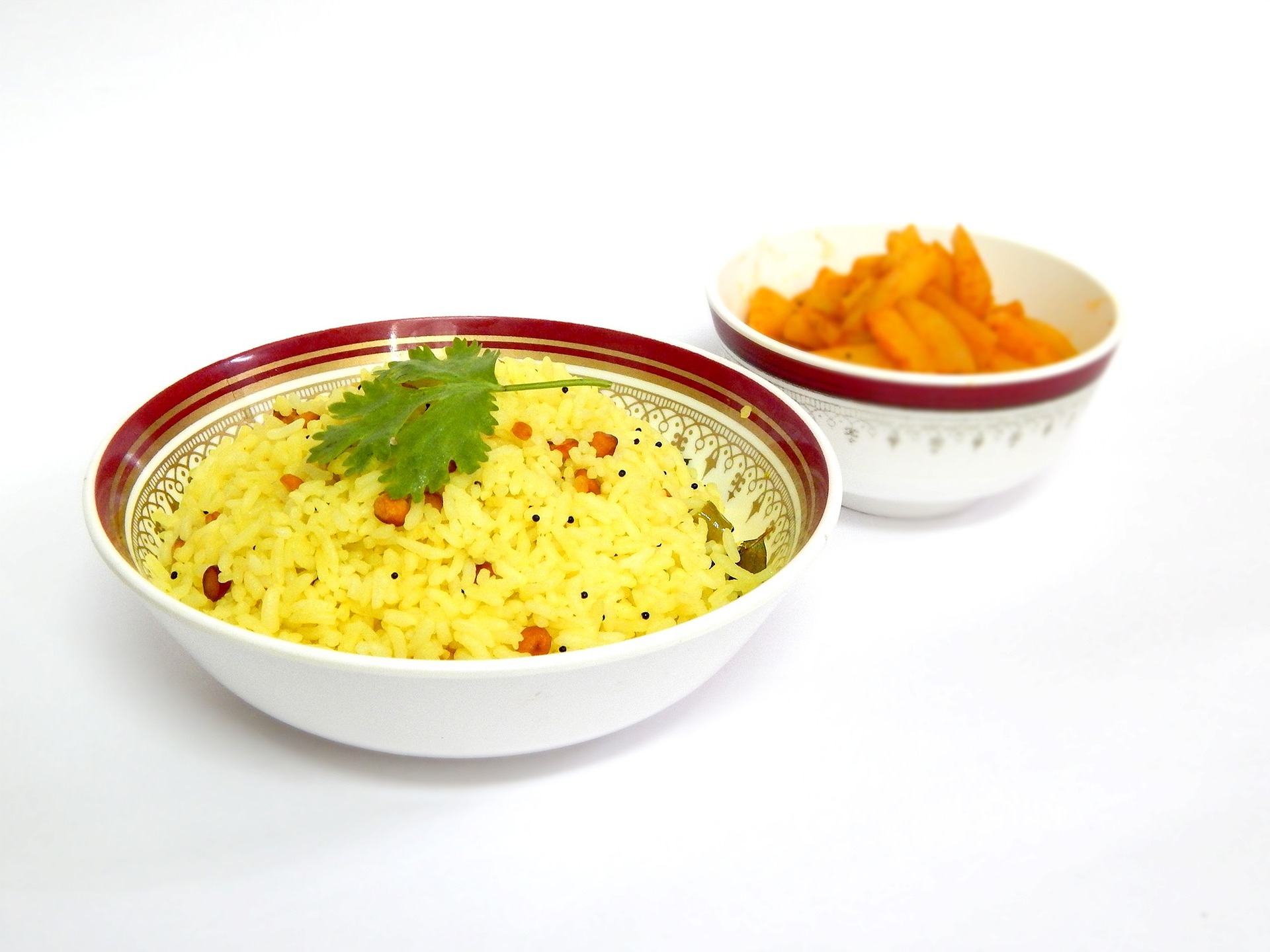
 
I totally underuse saffron but it is so lovely! When I go to Greece, I come back with a lot of it.
 

Most common Greek soups people make at home?

I’ve been thinking lately about how many soups are part of everyday Greek home cooking, especially compared to restaurant menus. Most people know avgolemono, but I’m curious what soups Greeks actually make regularly at home.

Growing up, I remember hearing about fasolada and lentil soup a lot, and I’ve also seen trahana mentioned in conversations online. It made me wonder what the “standard” soups are in different parts of Greece or in Greek families abroad.

What are the most common Greek soups people still cook today? Are they mostly winter foods, or are there lighter soups people make year-round? Also, are there any soups that are considered especially traditional for holidays, fasting periods, or village cooking?

Would love to hear what soups were common in your family growing up, or what you still make now.

Sharing Greek Food with Friends - Recommendations?

I’m having a few friends over for dinner soon, and none of them are Greek, so I thought it would be fun to make a full Greek-style meal for them. I grew up with Greek food, so a lot of dishes feel “normal” to me, but now I’m realizing I’m not sure what works best for people who didn’t grow up eating it.

I definitely want to include a few traditional dishes, but I also don’t want to overwhelm everyone with too many things at once. I was thinking maybe spanakopita, souvlaki, Greek salad, rice, and some kind of dessert like baklava or galaktoboureko. I’m also wondering if there are certain dishes that tend to be crowd favorites with people who are newer to Greek food.

What meals or combinations have worked well for you when introducing Greek food to non-Greek friends? Any suggestions for appetizers, sides, or desserts would be appreciated too.

Regional Variations of Dolmades?

I’ve noticed something interesting with dolmades and wanted to see what others think.

I’ve had them in different parts of Greece, and they’re never exactly the same. Sometimes they’re more lemony, sometimes heavier on herbs, and other times the texture or filling feels completely different.

It made me wonder, are these differences mostly regional, or is it more about what ingredients are available at the time? I’ve seen versions with just rice, others with meat, and even small variations in how tightly they’re rolled or cooked.

Is there a “standard” version across Greece, or is variation part of the tradition? I’m really curious how people here think about it, especially if you’ve had them in multiple regions or grew up eating them at home.

Best way to cook gigantes beans?

I recently picked up a bag of dried gigantes beans from Greece, and I want to do them justice. I’ve had gigantes plaki at tavernas before and loved how soft and creamy the beans were, with that rich tomato sauce and olive oil.
Now that I have the real thing at home, I’m curious, what’s the best way to cook them? Do you soak overnight or use a quicker method? And when it comes to flavor, do you go traditional with tomato, onion, and herbs, or do you keep it simpler?

I’ve seen some recipes that bake them, others that simmer them on the stove, and even a few that finish them in the oven after cooking. Not sure which method gives the best texture and flavor. How do you get them perfect?

Do you make gemista with or without meat?

I grew up eating Gemista both ways, and now I’m realizing how divided people are on this. In my family, we usually made them without meat with just rice, herbs, and lots of olive oil, but I know plenty of people who swear they’re not really gemista unless there’s ground meat in the filling.

Lately I’ve been wondering what’s actually more traditional, or if it just comes down to region and family habits. I love the lighter, oil-based version, especially in the summer, but I can see the appeal of the heartier meat version too.

So I’m curious—how do you make your gemista? With meat, without, or both depending on the occasion? And if you feel strongly about it, what makes your version the “right” one?
Sign up for a free account and share your thoughts, photos, questions about Greek food, travel and culture!

WorldwideGreeks.com is a free online forum community where people can discuss Greek food, travel, traditions, history and mythology.
Join Worldwide Greeks here!

JOIN COMMUNITY FOR FREE

LOGIN TO YOUR ACCOUNT
Back
Top