1 - 2 of 2 Posts

blopez34

Active member
Chestnuts are a super popular Greek snack that is usually eaten plain or with salt. Chestnuts are also used in a number of sweet and savory recipes, such as stifado. This recipe uses fresh chestnuts and sugar to make caramelized chestnuts that are sweet and sticky on the outside and soft on the inside.
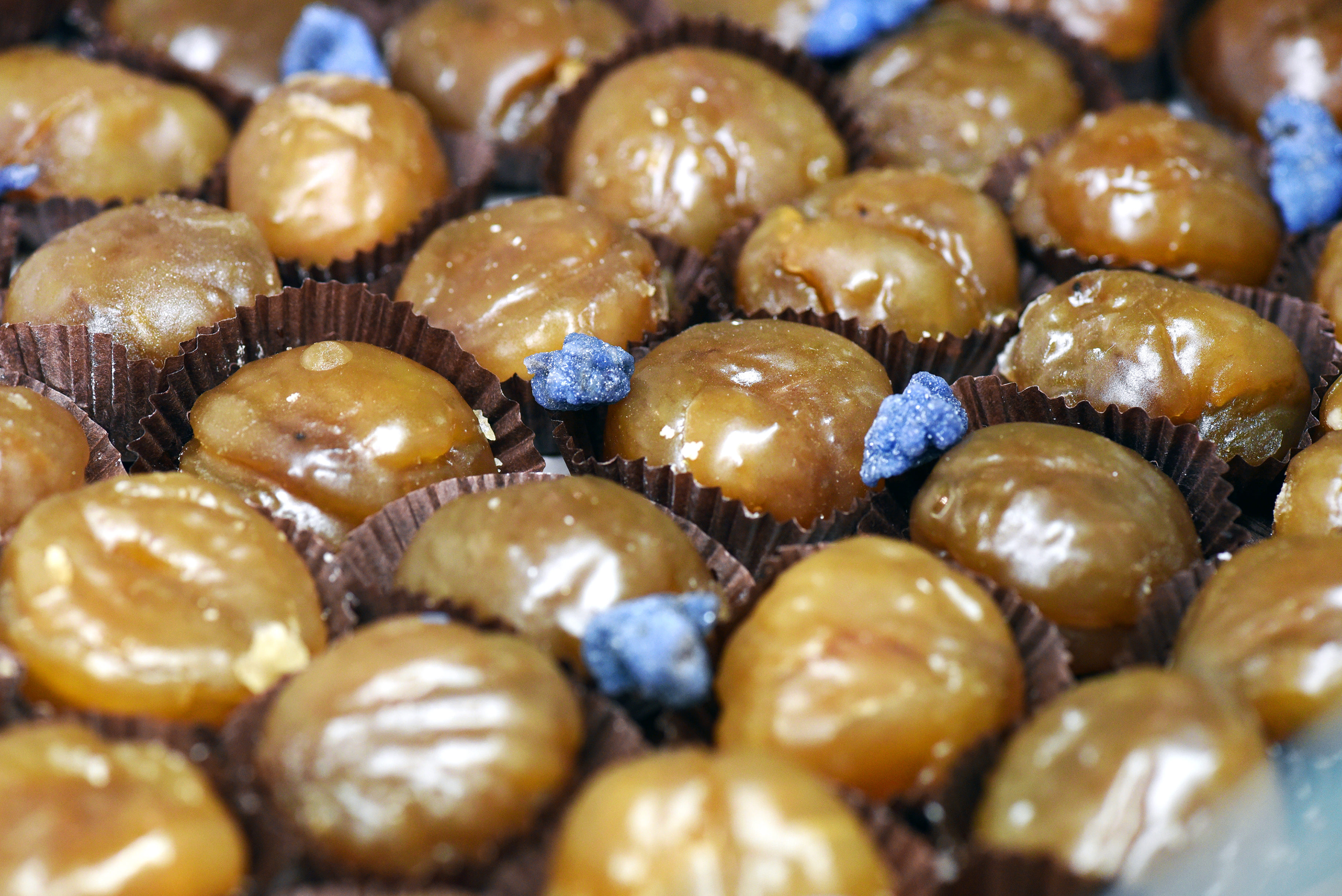
 
I love chestnuts so much, roasted and purchased on the street. Chestnuts are so hard to find in the United States because most of the native chestnuts trees in the US have been killed by, I think it was a fungus. I love them when I go to Greece!
 

Tips for a Great Tzatziki?

I love making tzatziki at home, but for some reason it never comes out the same twice. I use the exact same recipe every time, but sometimes it’s perfect—thick, creamy, and balanced—and other times it turns out way too thin or watery. It’s driving me a little crazy because I can’t figure out what I’m doing differently.

I usually use Greek yogurt, cucumber, garlic, olive oil, and vinegar or lemon juice. I think I’m draining the cucumber well, but maybe that’s where I’m going wrong? Or could it be the type of yogurt?

Does anyone have tips for getting consistent results? Do you salt and drain the cucumber first? Strain the yogurt more? I’d love to hear what actually makes the difference for you.

Moussaka or Pastitsio without Bechemel?

I’ve been wanting to make Moussaka and Pastitsio more often, but honestly the béchamel is what stops me most of the time. It’s not that I don’t like it—I do—but it adds extra steps and feels a bit heavy for everyday cooking.

I’m curious if anyone here skips it or swaps it out for something simpler? I’ve wondered about just using a layer of cheese on top, or maybe a lighter yogurt-based mixture, but I’m not sure how that affects the overall texture.

Do these dishes still feel “right” without the béchamel, or does it completely change them? I’m not trying to be traditional every time—just looking for a version that’s easier to make more regularly.

Would love to hear what others have tried and what actually works!

Making Greek Fried Bread?

My family used to make Greek fried bread all the time when I was growing up, and I’ve been trying to recreate it recently. The flavor is there, but mine keeps turning out soggy instead of crisp on the outside and soft inside like I remember.

I’m wondering if I’m using too much oil or maybe not enough heat? How much oil do you usually put in the pan when making it? Do you shallow fry it or just lightly coat the bottom? I’ve tried a few times now, and the bread seems to soak up the oil instead of frying properly.

I also wonder if the dough itself could be the issue. Maybe it’s too wet or too thick?

Would love any advice from people who grew up making this or still make it regularly. Tips on oil temperature, dough texture, or even what type of pan works best would really help!

Greek street foods for summer?

I might be going to Greece in July, and one thing I’m really looking forward to is the street food. I’ve had gyros and souvlaki plenty of times here in the U.S., but I’m guessing the experience in Greece is completely different.

I’d love recommendations for the best street foods to try during the summer, especially things that are refreshing or easy to grab while walking around. Are there certain foods that are more popular in the hotter months? I’ve heard about koulouri in Thessaloniki and loukoumades from street vendors, but I’m sure there’s a lot more I don’t know about.

Also curious if there are regional specialties depending on which islands or cities you visit. I’m hoping to avoid overly touristy spots and try things locals actually eat regularly. What street foods would you put at the top of the list?

Best Grill for Souvlaki?

I was reading something earlier and somehow ended up in a completely unrelated debate about grilling souvlaki, which got me thinking.

We started talking about what actually makes it taste better. One person was saying gas grills are just as good and much easier to control. I can understand that, but I’ve always leaned toward charcoal because it feels like you get more flavor from it. Then someone else chimed in and said charcoal is the way to go, but only if you’re using wood-based or natural briquettes.

Now I’m curious what people here think, especially those who make souvlaki often.

Do you notice a real difference between gas and charcoal? And if you use charcoal, does the type actually matter to you?
Sign up for a free account and share your thoughts, photos, questions about Greek food, travel and culture!

WorldwideGreeks.com is a free online forum community where people can discuss Greek food, travel, traditions, history and mythology.
Join Worldwide Greeks here!

JOIN COMMUNITY FOR FREE

LOGIN TO YOUR ACCOUNT
Back
Top