1 - 6 of 6 Posts

cf_fraiser

Active member
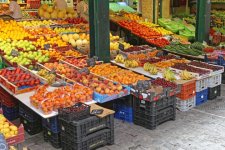
This is one of the best markets in the city with many historical roots! You can really find anything here and more and more vendors are coming every year with new foods, fruits, veggies, art and practically anything! I went food shopping there and it was so fun to chat with all of the farmers and hear about where the food was from :)

modiano-market-thessaloniki-720x480.jpeg
 
This is one of the best markets in the city with many historical roots! You can really find anything here and more and more vendors are coming every year with new foods, fruits, veggies, art and practically anything! I went food shopping there and it was so fun to chat with all of the farmers and hear about where the food was from :)

View attachment 499
I love traditional markets!! I would love to visit one day and check out all of the fresh produce
 
Thanks for the information! This looks like a great place.
 
This is one of the best markets in the city with many historical roots! You can really find anything here and more and more vendors are coming every year with new foods, fruits, veggies, art and practically anything! I went food shopping there and it was so fun to chat with all of the farmers and hear about where the food was from :)

View attachment 499
This is one of the best markets in the city with many historical roots! You can really find anything here and more and more vendors are coming every year with new foods, fruits, veggies, art and practically anything! I went food shopping there and it was so fun to chat with all of the farmers and hear about where the food was from :)

View attachment 499
I am too old to travel and to enjoy the benefits pointed out by WG, so I do some navigating on the internet. The word "Modiano" caught my eye since I knew it as the name of an Italian publisher of Tarocchi [tarot playing cards], which I researched some years ago. // I have been attracted to Thessaly [ Thessalia or Pet-thalia] since I read Plato' "Cratylus", in which he searched for the meaning of "ApollOn", the name of the ancient god. In the process, he mentioned that this god is called Haplos in Thessaly. Believe it or not, I was in the process of exploring the source of an Etruscan [Italic] god called Aplu, after whom the Romans named a month, namely April. Aplu had statues and temples north of Rome. My etymology:
aprilis (mons/month) < apr-ilis < apru-ilis, the latter component being a Latin adjective-maker < aplu+ilis. Hence, April [directly from the Old French Aprille] means "Apollo's Month or "the Apollonian Month". I also found the meaning of the god's Ionian name.
 
Last edited:
  • Like
Reactions: greek_ggirl
I am too old to travel and to enjoy the benefits pointed out by WG, so I do some navigating on the internet. The word "Modiano" caught my eye since I knew it as the name of an Italian publisher of Tarocchi [tarot playing cards], which I researched some years ago. // I have been attracted to Thessaly [ Thessalia or Pet-thalia] since I read Plato' "Cratylus", in which he searched for the meaning of "ApollOn", the name of the ancient god. In the process, he mentioned that this god is called Haplos in Thessaly. Believe it or not, I was in the process of exploring the source of an Etruscan [Italic] god called Aplu, after whom the Romans named a month, namely April. Aplu had statues and temples north of Rome. My etymology:
aprilis (mons/month) < apr-ilis < apru-ilis, the latter component being a Latin adjective-maker < aplu+ilis. Hence, April [directly from the Old French Aprille] means "Apollo's Month or "the Apollonian Month". I also found the meaning of the god's Ionian name.
Good point, I didn't realize that Modian isn't a traditionally "Greek" name until you pointed it out
 
I am too old to travel and to enjoy the benefits pointed out by WG, so I do some navigating on the internet. The word "Modiano" caught my eye since I knew it as the name of an Italian publisher of Tarocchi [tarot playing cards], which I researched some years ago. // I have been attracted to Thessaly [ Thessalia or Pet-thalia] since I read Plato' "Cratylus", in which he searched for the meaning of "ApollOn", the name of the ancient god. In the process, he mentioned that this god is called Haplos in Thessaly. Believe it or not, I was in the process of exploring the source of an Etruscan [Italic] god called Aplu, after whom the Romans named a month, namely April. Aplu had statues and temples north of Rome. My etymology:
aprilis (mons/month) < apr-ilis < apru-ilis, the latter component being a Latin adjective-maker < aplu+ilis. Hence, April [directly from the Old French Aprille] means "Apollo's Month or "the Apollonian Month". I also found the meaning of the god's Ionian name.
Not just tarot, but playing cards. Company even has a wikipedia page:


I wonder how the market came to be named Modiano!? Anyone know?
 

5 Days in Thessaloniki Enough or Too Much?

I’m starting to plan a possible trip to Greece with my family, and Thessaloniki is high on my list. I’ve always been interested in the history there — Byzantine sites, Roman ruins, Ottoman influences — plus the food scene seems incredible. It feels like a city with a lot of character compared to some more tourist-heavy destinations.

What I’m trying to figure out is timing. Would about five days in Thessaloniki be a good amount, or is that more than the city really needs? We tend to travel at a relaxed pace, not rushing from place to place, but I also don’t want to run out of things to do.

For those who’ve visited, how long did you stay? Did you wish you had more time, or less? Would you combine it with nearby day trips?

Is Thessaloniki walkable for a whole weekend trip?

It’s been a while since I last visited Thessaloniki, and I’m considering bringing my family there for a weekend this summer. We’ll be a multigenerational group, parents in their 70s, my wife and me, and two teens — so I’m trying to figure out how walkable the city really is these days.

From what I remember, the waterfront promenade was perfect for long, easy walks, but I can’t recall how manageable the rest of the city felt, especially when the summer heat kicks in. Are most major sights (White Tower, Ano Poli, markets, museums) close enough to each other to explore on foot without wearing everyone out?

Also curious whether public transport or taxis are convenient enough to fill the gaps if walking becomes too much for the older members of the group.

For anyone who’s been recently, is a mostly walkable weekend realistic for a family like ours?

What makes Thessaloniki different from Athens food-wise?

I’m curious how people here think about the food differences between Thessaloniki and Athens. Both cities are obviously incredible places to eat, but they feel very different to me in ways that go beyond specific dishes or restaurants.

Thessaloniki often feels more informal and food-driven in daily life, like late-night eating, mezedes culture, bakeries and street food that feel essential rather than optional. There’s also a heavier presence of refugee, Balkan, and Asia Minor influences that seem to shape flavors, spice use, and portion style. Athens, by contrast, sometimes feels more Mediterranean-polished and regionally diverse, pulling influences from all over Greece rather than leaning into one strong local identity.

But that’s just my perception. For those who know both cities well, what actually makes Thessaloniki different food-wise?

Experiencing Local Culture in Thessaloniki?

This might sound a bit cliché, but when I travel, especially somewhere like Thessaloniki, I really want to get a genuine feel for the local culture, not just check off the main sights.

I’m curious what that actually looks like there. Is it more about spending time in certain neighborhoods, sitting at cafés, or exploring markets? Are there specific areas where locals tend to go that visitors might overlook?

I’m also wondering if there are particular routines or small experiences, like a morning coffee spot or evening walk—that really capture the rhythm of the city.

For those who have been, what made Thessaloniki feel authentic to you? I’d love to go beyond the typical tourist experience and connect more with the everyday atmosphere.

First impressions of Thessaloniki compared to Athens?

I’ve been to both Thessaloniki and Athens, but it’s been a while, so I’m trying to refresh my memory a bit.

Someone I might be traveling with this summer asked me how the two cities compare, and I realized I wasn’t sure how I’d describe it now. I remember Athens feeling bigger, more intense, and obviously packed with history at every turn.

Thessaloniki, on the other hand, felt a bit more relaxed and maybe more focused on food and day-to-day life, but that’s just how it stuck with me.

I’m curious how others see it, especially if you’ve been more recently. Do they still feel that different from each other? If you had to explain the vibe of each city to someone going for the first time, what would you say?
Share and discuss your Thessaloniki photos, questions and experiences!

WorldwideGreeks.com is a free online forum community where people can discuss Greek food, travel, traditions, history and mythology.
Join Worldwide Greeks here!

JOIN COMMUNITY FOR FREE

LOGIN TO YOUR ACCOUNT
Back
Top