
Menu
Install the app
How to install the app on iOS
Follow along with the video below to see how to install our site as a web app on your home screen.
Note: This feature may not be available in some browsers.
You are using an out of date browser. It may not display this or other websites correctly.
You should upgrade or use an alternative browser.
Greek Food, Cooking and Recipe Community
What are the best olives for Greek salad?
- Thread starter kcixcy
- Start date
1 - 6 of 6 Posts
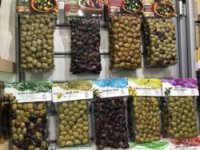


I like the dark . I always buy them sliced bottled. There is no guarantee the pit is out or a shard. I almost broke a tooth from a olive bottled supposedly pitted. Either but them with the pit and expect it or pit them yourself. Be safe with those choppers. Green can be bitter.I'm making Greek salad this weekend, what are the best types of olives? And is it more traditional to get pitted or non pitted olives? There are so many options
View attachment 299

dpappas87
Active member
That happened to me too LOL! Yeah you gotta be careful especially when mixing them into saladsI like the dark . I always buy them sliced bottled. There is no guarantee the pit is out or a shard. I almost broke a tooth from a olive bottled supposedly pitted. Either but them with the pit and expect it or pit them yourself. Be safe with those choppers. Green can be bitter.
I usually buy a variety. However, I couldn't find Jumbo Black olives this year. Only found kalamata from Greece. I bought a variety of Mediterranean olives to supplement it with some black, green olives in the jar, but they are from Italy, not Greece.I'm making Greek salad this weekend, what are the best types of olives? And is it more traditional to get pitted or non pitted olives? There are so many options
View attachment 299

k_tsoukalas
Administrator
My favorite are Kalamata, but I LOVE a good, sturdy green Greek olive once in a while. It all depends on what I can find and what my mood is. Sometimes I like to include a medley of both in my salad.
1 - 6 of 6 Posts
JOIN THE DISCUSSION AND READ OTHER GREEK INFO:
Do you make your pastitsio with a thick or thin layer of krema?
- axariotisxy
- Greek Food Forum
- Replies: 1
I've always preferred my pastitsio with a nice, thick layer of béchamel on top. To me, that's one of the best parts of the dish! I love when the krema is rich, creamy, and thick enough to hold its shape when you cut into the pastitsio.
The problem is that I've been having trouble getting my krema just right. Sometimes it comes out too thin, and other times the texture isn't quite as smooth as I'd like. I've tried adjusting the amount of flour and milk, but I still haven't found the perfect balance.
I'm curious how everyone else makes theirs. Do you prefer a thick layer of béchamel or just enough to cover the pasta? Does your family add eggs or cheese to the mixture?
I'd especially love to hear any tips for making a thick, smooth krema that sets beautifully when baked!
What Greek dishes were your favorites to learn from your family?
- d_kakavouli
- Greek Food Forum
- Replies: 0
One of my favorite things about Greek cooking is how much of it gets passed down through families. So many traditional recipes aren't necessarily written down. Instead, we learn by watching our parents, grandparents, and other relatives prepare dishes they've been making for years.
I've learned quite a bit this way, and I find that some dishes become so second nature that it's actually difficult to explain the process to someone else! You just develop a feel for how much of each ingredient to use and when everything looks or tastes right.
I'm curious what everyone else's experiences have been. What Greek dishes were your favorites to learn from family members? Were there certain recipes you especially enjoyed helping with when you were younger?
And do you still make those dishes exactly as you were taught, or have you developed your own little variations over the years?
Is lamb or beef more traditional for giouvetsi?
- blopez34
- Greek Food Forum
- Replies: 0
I've been looking into traditional Greek giouvetsi recipes lately, and I'm curious about which meat is considered the most traditional. I've seen recipes that use lamb, others that call for beef, and even some that use chicken.
I love the idea of slowly cooking the meat in a rich tomato sauce with orzo until everything becomes tender and flavorful. However, I'm wondering whether lamb or beef would be the more authentic choice.
Is one traditionally preferred in certain regions of Greece? I've read that lamb is often associated with older Greek recipes, but beef seems to be very common in modern versions of giouvetsi.
I'm also curious whether the choice of meat changes the way the dish is prepared. Does lamb require different seasonings or cooking times than beef?
For those familiar with traditional Greek cooking, which version do you prefer, and which would you recommend trying first?
How do you keep homemade spanakopita from getting soggy?
- dimi_pat
- Greek Food Forum
- Replies: 0
I've been thinking about making homemade spanakopita, and one thing I'm trying to figure out is how to keep it from getting soggy. I love when the phyllo is nice and crispy, but I know that spinach releases a lot of moisture, which can make that difficult.
I've heard that squeezing as much liquid as possible out of the spinach is important, especially when using frozen spinach. I've also heard that some people cook the spinach first to help remove excess moisture. I'm wondering if there are other tricks that make a difference.
Does the type of feta you use matter? What about the amount of olive oil or butter between the phyllo layers? I'm also curious whether the baking temperature makes a difference.
For those of you who make spanakopita regularly, what are your best tips for getting that perfectly crispy texture?
What Is the Secret to Making Crispy, Flaky Phyllo?
- kosta_karapinotis
- Greek Food Forum
- Replies: 0
I've been wanting to try making homemade phyllo dough, but I have to admit that the process seems a little intimidating! I've used store-bought phyllo plenty of times, but I've never really attempted making it from scratch. I would love to learn how to get those beautiful, thin, crispy layers that make traditional Greek pies so delicious.
For those of you who make your own phyllo, what are your secrets? Is the dough difficult to roll out thin enough, or does it become easier with practice? I've also heard that the amount of olive oil you use between the layers can make a big difference in the final texture.
I'm especially interested in making spanakopita and tiropita. Are there any beginner mistakes I should watch out for? I'd love to hear your techniques and family tips before I give it a try!
Sign up for a free account and share your thoughts, photos, questions about Greek food, travel and culture!
WorldwideGreeks.com is a free online forum community where people can discuss Greek food, travel, traditions, history and mythology.
Join Worldwide Greeks here!
JOIN COMMUNITY FOR FREE
LOGIN TO YOUR ACCOUNT

