1 - 2 of 2 Posts

Hennyb

New member
IMG_1770.png
 
This is a very poor representation of Greek History/Mythology and it's writing. Who ever designed this does not know what they were doing/creating.

The people here are Perseus holding the head of Medusa (seen below)


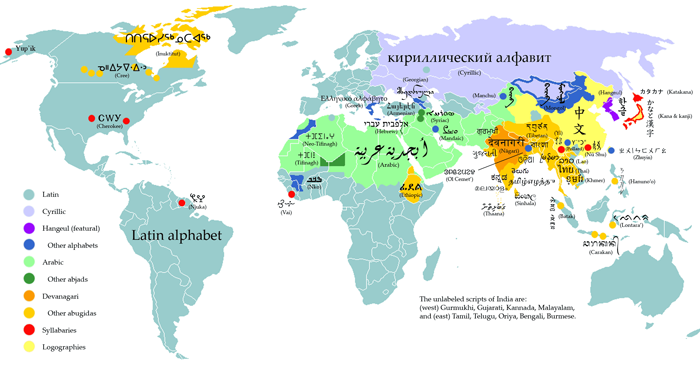
As for the text... It's Mongolian and NOT Greek. (see below)


Whoever designed this for you should give you a refund. LOL...
 

How do I fix an automated workout plan that keeps misaligning progress?

Been trying to stick to this automated workout plan, but the thing keeps throwing my progress all outta whack. One week it thinks I’m superhuman, the next it treats me like I’ve never touched a dumbbell. I’m trying to stay consistent, but the constant misalignment’s messing with my motivation big time. I don’t wanna ditch the whole setup, ’cause when it works, it actually helps me stay on track. Anyone been through this or know how to get these apps to stop freaking out and actually track progress like a normal person? I just want the thing to make sense again.

Creation Stories of Greek Mythology

I’ve been spending a lot of time researching the creation stories of Greek mythology, and I find them endlessly fascinating. What draws me in is how there isn’t a single, fixed origin story—everything shifts depending on the source. Between Hesiod’s Theogony, the Orphic traditions, and later philosophical interpretations, the beginning of the cosmos feels fluid rather than settled.

I’d love to hear how others approach these myths. Which version of creation resonates most with you, the emergence from Chaos, the role of Gaia and Uranus, or the more mystical Orphic egg? Are there lesser-known fragments, regional traditions, or scholarly sources you’ve found especially compelling?

I’m always excited to discover new angles, translations, or interpretations, especially ones that explore why the Greeks may have been comfortable holding multiple origin stories at once. Any recommendations, insights, or favorite passages would be greatly appreciated.


Favorite Greek hero and why?

I’ve been spending more time lately reading Greek mythology, and I keep coming back to how different the heroes are from one another. Some rely on strength, others on intelligence, and some seem almost defined by their flaws as much as their accomplishments. It makes the stories feel more human than I expected.

Personally, I find characters like Odysseus interesting because of the strategy and endurance involved, but I can also see the appeal of someone like Heracles with the raw physical trials. Achilles is another one who’s hard to ignore because of the intensity and tragedy built into his story.

I’m curious which Greek hero stands out most to others and what draws you to them. Is it their personality, their achievements, or the story itself?

Unsung Heroes of Greek Mythology?

Greek mythology is full of larger-than-life figures like Heracles, Odysseus, and Achilles, but I’ve always been fascinated by the lesser-known heroes who don’t get as much attention. There are so many incredible stories that fly under the radar: Meleager and the Calydonian Boar, Bellerophon taming Pegasus, or even Diomedes, who faced the gods themselves in battle.

I recently came across the story of Atalanta again, the only woman among the Argonauts, raised by a bear, unbeatable in a footrace, and I can’t believe she isn’t talked about more! These “side characters” often feel more human and relatable than the famous ones.

Which lesser-known hero (or heroine) stands out to you? Do you have a favorite overlooked myth or backstory that deserves more love? I’d love to hear which of these hidden legends captured your imagination and why.

Understanding Hades and the Greek Underworld

I’ve been spending some time reading Greek mythology purely out of curiosity, and I keep coming back to Hades and the Underworld. It’s often portrayed as something dark or frightening, but the more I read, the more complex it seems. Hades himself doesn’t always come across as evil so much as stern, bound by rules, and responsible for maintaining order among the dead.

I’m curious how others interpret the Greek Underworld as a whole. How did ancient Greeks actually understand it? Was it mainly a place of punishment, or more of a neutral destination for most souls? I’ve come across references to different regions like the Asphodel Meadows, Elysium, and Tartarus, and I’m trying to understand how these fit together in the broader belief system.

If you’ve studied this topic, read specific myths, or have favorite sources or interpretations, I’d love to hear how you make sense of Hades and the Underworld.
Share and discuss Greek mythology!

WorldwideGreeks.com is a free online forum community where people can discuss Greek food, travel, traditions, history and mythology.
Join Worldwide Greeks here!

JOIN COMMUNITY FOR FREE

LOGIN TO YOUR ACCOUNT
Back
Top