
1 - 2 of 2 Posts
In 1922 the Greek population of Asia Minor (or Anatolya, i.e. the asian part of modern Turkey) was expelled from their homeland. Arriving at Greece, they brought together their culture, and, above all, their faith and sacred artefacts. They built new churches, strongholds of their very identity. The entrance of the museum
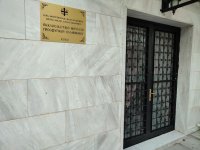
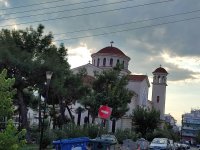
In the church of St. Marine, east Thessaloniki (37 Agias Marinas str.), on the 200th anniversary of our national tragedy, a new museum was inaugurated. It houses icons and other sacred artefacts carried by Greek refugees. It is a unique opportunity to get to know a completely unknown aspect of our tradition in a completely uncrowded and unknown place of our city! The captions of the various objects, which are exhibited in a small hall, are only in Greek, so if you want to pay a visit, you have to book a guided tour (FOR FREE) via the following mail: [email protected]. The tour includes also the entire church complex (chapel of St. Elena of Sinope, main church of St. Marine). The church is accesible via bus (line 37, stop: Agia Marina, or line 14, stop: Agia Varvara).General view of the church from the north-east
 
This looks like a very fascinating and interesting museum. Thank you for sharing this! I missed the chance to visit this last time we were in Thessaloniki. Part of my heritage came from this tragedy. I am a descendent from one of the displaced families who went first to Chios and then onwards to the United States. I want to learn more about this, and I don't want anyone to forget about this. My great grandmother and her small children managed to escape in a Greek fishing boat and my great grandfather followed shortly after.
 

Is Ladadika a Good Neighborhood to Stay in Thessaloniki?

I'm thinking about visiting Thessaloniki and have been researching different neighborhoods where I might stay. Ladadika keeps coming up as a popular choice, especially because of its restaurants, nightlife, and convenient location near the waterfront. It looks like such a charming area, but I'm wondering what it's actually like to stay there.

I love the idea of being able to walk to traditional tavernas, cafés, shops, and some of the city's main attractions. However, I'm also wondering whether Ladadika gets particularly noisy at night, especially during weekends. Would it be difficult to find a quiet hotel?

I'm also curious whether the neighborhood still has an authentic local atmosphere or whether it's become mostly focused on tourists.

For anyone who has stayed in Ladadika, would you recommend it as a home base for exploring Thessaloniki? Are there particular streets or sections of the neighborhood that you would recommend staying near?

Experiencing Local Culture in Thessaloniki?

This might sound a bit cliché, but when I travel, especially somewhere like Thessaloniki, I really want to get a genuine feel for the local culture, not just check off the main sights.

I’m curious what that actually looks like there. Is it more about spending time in certain neighborhoods, sitting at cafés, or exploring markets? Are there specific areas where locals tend to go that visitors might overlook?

I’m also wondering if there are particular routines or small experiences, like a morning coffee spot or evening walk—that really capture the rhythm of the city.

For those who have been, what made Thessaloniki feel authentic to you? I’d love to go beyond the typical tourist experience and connect more with the everyday atmosphere.

Is Ladadika a Good Area to Stay?

I might be going to Thessaloniki, and I’ve been looking at different neighborhoods to stay in. Ladadika keeps coming up because it seems very central and close to restaurants, nightlife, and the waterfront.

For anyone who has stayed there, is Ladadika actually a good area to base yourself? I like the idea of being able to walk to a lot of places, but I’m wondering whether it gets too noisy at night or feels overly touristy.

I’d also love to know how convenient it is for getting to the main sights in Thessaloniki. Can you easily walk from Ladadika to places like the White Tower, Aristotelous Square, and the historic churches, or would I be relying on taxis or public transportation?

I’m still in the early planning stage, so I’m open to other neighborhood suggestions too. Is Ladadika where you would stay, or would you choose somewhere else?

5 Days in Thessaloniki Enough or Too Much?

I’m starting to plan a possible trip to Greece with my family, and Thessaloniki is high on my list. I’ve always been interested in the history there — Byzantine sites, Roman ruins, Ottoman influences — plus the food scene seems incredible. It feels like a city with a lot of character compared to some more tourist-heavy destinations.

What I’m trying to figure out is timing. Would about five days in Thessaloniki be a good amount, or is that more than the city really needs? We tend to travel at a relaxed pace, not rushing from place to place, but I also don’t want to run out of things to do.

For those who’ve visited, how long did you stay? Did you wish you had more time, or less? Would you combine it with nearby day trips?

Lesser-Known Things to See in Thessaloniki

I'm considering spending a few days in Thessaloniki this summer and have started putting together a list of places I'd like to see. The major attractions are easy enough to find, but I'm especially interested in some of the lesser-known sights around the city.

I've read about the White Tower, the waterfront, and a few of the major museums, but I'm curious about places that don't always make it into the guidebooks. Historic neighborhoods, overlooked churches, interesting viewpoints, local markets, hidden courtyards, small museums, or anything else that gives a different perspective on the city would be great to hear about.

I'm also interested in places that locals enjoy but visitors might not think to seek out on their own.

For those who know Thessaloniki well, what are some of the lesser-known things to see that are worth adding to an itinerary?
Share and discuss your Thessaloniki photos, questions and experiences!

WorldwideGreeks.com is a free online forum community where people can discuss Greek food, travel, traditions, history and mythology.
Join Worldwide Greeks here!

JOIN COMMUNITY FOR FREE

LOGIN TO YOUR ACCOUNT
Back
Top

