
1 - 2 of 2 Posts

acamp7

Active member
I've recently become fascinated with the nuances of cooking oils, specifically Greek olive oil, and I'm curious about how others go about selecting the right one for their cooking needs. With its renowned flavor profile and health benefits, Greek olive oil is a staple in my kitchen. However, with so many varieties and flavor strengths (from robust to mild), I often find myself overwhelmed by the choices.

I have a great olive oil that I use as a finisher or to put on salad. I love the flavor so much. I only have a small quantity, though. So, I want to preserve it. In other words, I don't want to use it for cooking, I think it will ruin it.

How do I really choose a Greek olive oil to cook with?
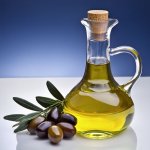

greek-olive-oil.jpg
 
The more expensive Greek olive oil that tastes great I use as a finisher and I don't use it in cooking. For cooking, I like to stick with Greek olive oil, but I am not as picky about what kind it is or how it tastes, as long as it's extra virgin. I can't personally tell the flavor difference when I am using it in my cooking.
 

How does your family season dolmades?

I’ve been thinking about how much dolmades can vary from one family to another, especially when it comes to seasoning. Even when the basic ingredients are similar, the flavor can be completely different depending on which herbs and spices are used.

How does your family season dolmades? Do you use mostly dill and parsley, or do you add mint as well? I’ve also seen recipes that include green onions, oregano, or even a little cinnamon, especially when meat is part of the filling.

I’m curious whether you season the rice mixture pretty heavily before rolling the grape leaves or keep it simple and let the lemon and olive oil provide most of the flavor. Does your family add lemon juice directly to the filling, or only during cooking and serving?

I’d especially love to hear about any regional or family traditions. What gives your dolmades their distinctive flavor?

What is your favorite Greek potato dish?

Potatoes show up in so many Greek meals, and I think they are often at their best when they soak up plenty of olive oil, lemon, herbs, and cooking juices.

Greek lemon potatoes are probably the first thing that comes to mind for me. I love when they are roasted until they are soft inside, a little crisp around the edges, and full of lemon and oregano. Potatoes cooked alongside chicken or lamb are also hard to beat because they absorb so much flavor from the pan.

I also enjoy simple boiled potatoes dressed with olive oil, lemon, parsley, and salt, especially with fish or grilled meat.

What Greek potato dish do you make most often? Do you prefer lemon potatoes, potatoes roasted with meat, fried potatoes, or something else? And is there a particular seasoning or family method that makes your version especially good?

Do You Make Avgolemono Thick or Brothy?

I usually prefer avgolemono somewhere in the middle. I don’t like it so thick that it feels almost like a cream soup, but I also don’t want it completely thin and brothy. For me, the best version has enough egg and lemon to give the broth some body while still keeping it light.

A lot probably depends on what kind of avgolemono you’re making, too. In chicken soup, I like it a little more brothy because I want the rice or orzo and chicken to still stand out. With something like lahanodolmades, I don’t mind the avgolemono sauce being thicker because it is coating the food rather than serving as the soup itself.

The lemon level matters just as much as the thickness. I like enough lemon to make it bright and noticeable, but not so much that it overwhelms everything else. I think balance is really the key.

How Much Garlic in a Batch of Tzatziki?

How much garlic do you usually put in a batch of tzatziki? I think I may be using a little too much. I usually make mine with about 2 cups of Greek yogurt and 4 cloves of garlic, along with cucumber, olive oil, and the other usual ingredients.

It tastes great when I first make it, but we usually take about three days to finish the batch. By the second or third day, the garlic flavor and smell become really strong. Some people in my household love that and don’t mind it at all, but others think it becomes a bit overpowering. I’m starting to agree that four cloves might be too much, especially since the garlic seems to get stronger as it sits.

What do you all do? How many cloves would you use for about 2 cups of Greek yogurt?

Greek cooking without a recipe?

I've been thinking about how much traditional Greek cooking relies on instinct rather than following exact recipes. Some of the Greek dishes I learned to make were taught to me by feel, with someone showing me what to do rather than measuring everything out.

I actually enjoy cooking this way, but I've noticed that it can make certain dishes difficult to recreate consistently! Sometimes everything comes together perfectly, and other times I wonder what I did differently.

I'm curious how others approach this. Did you learn Greek cooking by watching your yiayia, mother, or other relatives? Do you measure ingredients, or do you just know when something looks, smells, or tastes right?
Sign up for a free account and share your thoughts, photos, questions about Greek food, travel and culture!

WorldwideGreeks.com is a free online forum community where people can discuss Greek food, travel, traditions, history and mythology.
Join Worldwide Greeks here!

JOIN COMMUNITY FOR FREE

LOGIN TO YOUR ACCOUNT
Back
Top

