
1 - 3 of 3 Posts

blopez34

Active member
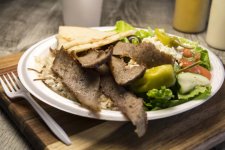
When I'm trying to be a bit healthier and cut out the carbs, I like to make a gyro plate with salad and brown rice. This is how I make it...
-Gyro meat (I get it pre marinated from my Greek grocery store)
-Xoriatiki salata (tomatoes, cucumber, red onion, olives, olive oil, salt, pepper, oregano, green pepper, feta cheese)
-Brown rice pilaf. When it's cooking, I add bay leaf, olive oil, star anise and garlic so it's really fragrant

Enjoy!
gyro salad.jpg
 
When I'm trying to be a bit healthier and cut out the carbs, I like to make a gyro plate with salad and brown rice. This is how I make it...
-Gyro meat (I get it pre marinated from my Greek grocery store)
-Xoriatiki salata (tomatoes, cucumber, red onion, olives, olive oil, salt, pepper, oregano, green pepper, feta cheese)
-Brown rice pilaf. When it's cooking, I add bay leaf, olive oil, star anise and garlic so it's really fragrant

Enjoy!

View attachment 434

This looks delicious. When I was in Greece I ordered Gyro plates when I saw them on menus. I love the concept and find it fun that you can deconstruct a gyro like that and turn it into something new and different.
 

What is your favorite Greek potato dish?

Potatoes show up in so many Greek meals, and I think they are often at their best when they soak up plenty of olive oil, lemon, herbs, and cooking juices.

Greek lemon potatoes are probably the first thing that comes to mind for me. I love when they are roasted until they are soft inside, a little crisp around the edges, and full of lemon and oregano. Potatoes cooked alongside chicken or lamb are also hard to beat because they absorb so much flavor from the pan.

I also enjoy simple boiled potatoes dressed with olive oil, lemon, parsley, and salt, especially with fish or grilled meat.

What Greek potato dish do you make most often? Do you prefer lemon potatoes, potatoes roasted with meat, fried potatoes, or something else? And is there a particular seasoning or family method that makes your version especially good?

Do you put potatoes in your briam?

I've noticed that there are quite a few variations of briam, especially when it comes to which vegetables people include. One ingredient I'm particularly curious about is potatoes. Do you always put potatoes in your briam, or do you prefer making it without them?

I usually think of briam as a combination of zucchini, eggplant, potatoes, tomatoes, onions, and plenty of olive oil. I love how the potatoes absorb all those wonderful flavors as everything slowly roasts together in the oven.

However, I've seen recipes that leave the potatoes out entirely and focus more on the summer vegetables. I imagine that makes the dish a little lighter.

I'm also curious whether there are regional differences in how briam is prepared throughout Greece. Does your family have a particular way of making it? And what vegetables do you consider absolutely essential?

Is lamb or beef more traditional for giouvetsi?

I've been looking into traditional Greek giouvetsi recipes lately, and I'm curious about which meat is considered the most traditional. I've seen recipes that use lamb, others that call for beef, and even some that use chicken.

I love the idea of slowly cooking the meat in a rich tomato sauce with orzo until everything becomes tender and flavorful. However, I'm wondering whether lamb or beef would be the more authentic choice.

Is one traditionally preferred in certain regions of Greece? I've read that lamb is often associated with older Greek recipes, but beef seems to be very common in modern versions of giouvetsi.

I'm also curious whether the choice of meat changes the way the dish is prepared. Does lamb require different seasonings or cooking times than beef?

For those familiar with traditional Greek cooking, which version do you prefer, and which would you recommend trying first?

Do You Put Cinnamon in Your Keftedes?

I’m curious how everyone here makes keftedes, especially when it comes to cinnamon. I know some Greek families add a little cinnamon to the meat mixture, while others would never think of putting it in.

In my experience, even a small amount can change the flavor quite a bit. It gives the keftedes a warmer, slightly sweeter spice in the background, but I can also see how it might not be for everyone. I’ve had versions that lean more heavily on oregano, mint, parsley, garlic, and onion instead.

Do you put cinnamon in your keftedes? If you do, how much do you usually use, and was that something your family always did? I’d also be curious to know if it varies depending on what part of Greece your family comes from.

Would love to hear how everyone seasons theirs and what you consider essential for really good keftedes.

Do you make Greek lentil soup with vinegar

I’ve always made fakes with a splash of vinegar, either stirred into the pot near the end or added individually at the table. To me, that little bit of acidity is part of what makes the soup taste right, especially with the earthy lentils, olive oil, onion, garlic, and bay leaf.

But I have a Greek friend who makes hers very differently. She doesn’t use vinegar at all and instead adds quite a lot of tomato product, so her version is much redder and more tomato-forward than mine.

Now I’m curious about what is considered more traditional in Greek cooking. Is vinegar usually a standard part of fakes, or is it more of a regional or family preference? Are tomato-heavy versions just as traditional?

How do you make yours, and what did your family serve growing up?
Sign up for a free account and share your thoughts, photos, questions about Greek food, travel and culture!

WorldwideGreeks.com is a free online forum community where people can discuss Greek food, travel, traditions, history and mythology.
Join Worldwide Greeks here!

JOIN COMMUNITY FOR FREE

LOGIN TO YOUR ACCOUNT
Back
Top

