1 - 3 of 3 Posts

efhernandez_

Active member
To make Greek cabbage with pork, pour the olive oil into a large pot and sear pork cut into cubes until golden brown all over. Remove the pork and add white onion. Saute for five minutes and add the garlic and saute some more. Stir in red wine and scrape the bottom of the pan with a wooden spoon. Add the pork back in the pan and stir in tomato sauce, oregano, water, and cabbage. Cover the pot and bring to a boil over medium-high heat. Simmer on low after it bowls for one hour.
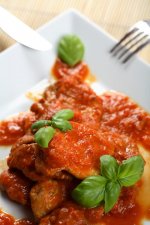
Lahano-Me-Kreas-720x1080.jpg
 
To make Greek cabbage with pork, pour the olive oil into a large pot and sear pork cut into cubes until golden brown all over. Remove the pork and add white onion. Saute for five minutes and add the garlic and saute some more. Stir in red wine and scrape the bottom of the pan with a wooden spoon. Add the pork back in the pan and stir in tomato sauce, oregano, water, and cabbage. Cover the pot and bring to a boil over medium-high heat. Simmer on low after it bowls for one hour.

View attachment 753
❤️❤️❤️?!????
 
  • Like
Reactions: greek_ggirl
This looks delicious! My family makes a version of this at home. Sometimes, we add cinnamon. I never knew why but it tastes delicious.
 

Calamari: Fried or Grilled?

Calamari is one of those dishes I’ll almost always order if I see it on a menu, but I’ve realized I go back and forth on how I like it prepared.

Fried calamari is probably the classic way. I love it served with skordalia! When it’s done well, it’s hard to beat. \

I’ve also had grilled calamari that was incredibly tender, lightly charred, and dressed simply with olive oil, lemon, and herbs, and that feels like a completely different experience.

I’m curious - which do you prefer?

Preventing Dolmades from Opening While Cooking?

I’ve been trying to make dolmades at home, and while the flavor comes out great, I keep running into the same issue, some of them start to open up while cooking. It’s a little frustrating after taking the time to roll them neatly!

I’m wondering what I might be doing wrong. Is it about how tightly they’re rolled, or could it be the way I’m layering them in the pot? I’ve heard some people place a plate on top to keep them in place — does that actually help?

Also curious if the type or size of grape leaves makes a difference. I usually use jarred leaves, but maybe that’s part of it?

Making Taramasalata at Home?

I’ve been trying to make taramasalata at home, but I just can’t seem to get it quite right. I love ordering it when I’m out—it’s smooth, balanced, and has that distinct flavor without being too heavy.

Mine, on the other hand, either turns out too thick, too salty, or a bit off in texture. I’ve tried different approaches—using bread vs. potatoes, adjusting the lemon, even changing the type of tarama but I’m still not there yet.

For those of you who make it regularly, what makes the biggest difference? Is it the ratio of ingredients, the type of roe, or the mixing method? Also, any tips on getting that lighter, smoother consistency?

Gemista: meat or no meat?

I’ve been thinking about gemista lately, especially with Lent going on and all the fasting days we have throughout the year. It feels like one of those dishes that really works both ways.

Sometimes I actually prefer it without meat—the rice, herbs, olive oil, and vegetables come together in such a clean, flavorful way. Other times, though, I really enjoy it with meat, especially when it’s baked long enough for everything to blend together.

I grew up seeing it made both ways, so to me it never felt like one “right” version. It just depends on the mood, the season, or even who’s cooking.

I’m curious how others feel about this. Do you have a strong preference for meat or no meat? Or do you switch between the two depending on the time of year or occasion?

How do I know if it's real Greek yogurt?

I picked up a container of “Greek yogurt” from the supermarket recently, and something about it just felt… off. The texture was a bit thinner than I expected, and the flavor didn’t have that same tangy richness I’m used to. It wasn’t bad, just not quite right, and I can’t fully put my finger on why.

It got me wondering, how do you actually tell if it’s real Greek yogurt or just something labeled that way? Are there specific ingredients, textures, or even brands I should be looking for?

I know traditional Greek yogurt is supposed to be strained, but beyond that, I’m not sure what to look for on the label.
Sign up for a free account and share your thoughts, photos, questions about Greek food, travel and culture!

WorldwideGreeks.com is a free online forum community where people can discuss Greek food, travel, traditions, history and mythology.
Join Worldwide Greeks here!

JOIN COMMUNITY FOR FREE

LOGIN TO YOUR ACCOUNT
Back
Top