

mj_toronto8
Active member
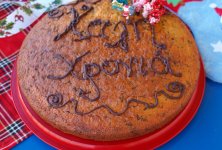
I love the tradition of Vasilopita. My family does something on New Year's Eve, and my church does something for a fundraiser about a week or two after New Year's. So, 'tis the season!
I never really sat down and considered why we do it. So, I decided to do some research. Here is what I learned - please feel free to chime in with anything to add!
Origins of Vasilopita
According to legend, Vasilopita dates back to the 4th century, when Saint Basil the Great was the Archbishop of Caesarea in what is now Turkey. It’s said that the archbishop wanted to distribute money to the poor in his region, but he didn’t want to favor one person over the other. So, he asked the women of the city to bake bread, each containing a coin, which would be cut and given to the people in need. Over time, the bread transformed into a cake, and the coin turned into a lucky charm in the shape of a Saint Basil medallion.
Vasilopita Ceremony
The Vasilopita ceremony is usually held on New Year’s Day, during lunch or dinner. Before cutting the cake, the head of the household blesses it with a cross, saying, “In the name of the Father, the Son, and the Holy Spirit.” Then, they cut the cake into pieces, dedicating the first slice to Jesus Christ, the second to Saint Basil, and the third to the household. The rest of the cake is then served to the guests, with the finder of the charm receiving a special blessing.
Cultural Significance
In Greece, Vasilopita is more than just a cake, it’s a symbol of community, love, and hope. It’s an opportunity to gather with friends and family, reflect on the past year, and set intentions for the future. It’s also a way to honor Saint Basil, who is celebrated on January 1st, and to remember the less fortunate by sharing the cake with those in need. In addition, Vasilopita is a traditional Christmas gift, exchanged among coworkers or friends, often accompanied by a small card with wishes for the upcoming year.
My family usually buy the vasilopita. I have never made it... it's just as good no matter who does it! I know some ladies at church get together and make it for our reception...
I never really sat down and considered why we do it. So, I decided to do some research. Here is what I learned - please feel free to chime in with anything to add!
Origins of Vasilopita
According to legend, Vasilopita dates back to the 4th century, when Saint Basil the Great was the Archbishop of Caesarea in what is now Turkey. It’s said that the archbishop wanted to distribute money to the poor in his region, but he didn’t want to favor one person over the other. So, he asked the women of the city to bake bread, each containing a coin, which would be cut and given to the people in need. Over time, the bread transformed into a cake, and the coin turned into a lucky charm in the shape of a Saint Basil medallion.
Vasilopita Ceremony
The Vasilopita ceremony is usually held on New Year’s Day, during lunch or dinner. Before cutting the cake, the head of the household blesses it with a cross, saying, “In the name of the Father, the Son, and the Holy Spirit.” Then, they cut the cake into pieces, dedicating the first slice to Jesus Christ, the second to Saint Basil, and the third to the household. The rest of the cake is then served to the guests, with the finder of the charm receiving a special blessing.
Cultural Significance
In Greece, Vasilopita is more than just a cake, it’s a symbol of community, love, and hope. It’s an opportunity to gather with friends and family, reflect on the past year, and set intentions for the future. It’s also a way to honor Saint Basil, who is celebrated on January 1st, and to remember the less fortunate by sharing the cake with those in need. In addition, Vasilopita is a traditional Christmas gift, exchanged among coworkers or friends, often accompanied by a small card with wishes for the upcoming year.
My family usually buy the vasilopita. I have never made it... it's just as good no matter who does it! I know some ladies at church get together and make it for our reception...


