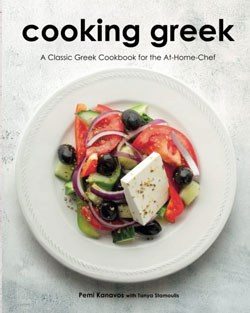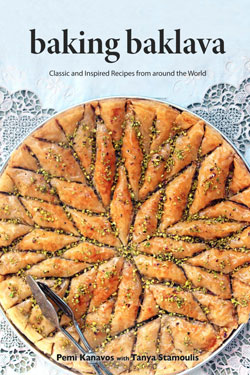
It's the season for gift giving, and I have people in my life who love Greek stuff. Not all of them are Greek! So, I thought I would put together a list of ideas which, frankly, can be used year round for all kinds of situations! Hostess gifts, birthdays, Mother's Day, Father's Day, etc... The ideas:
Ceramic Vases - Greek pottery is renowned for its intricate designs and beautiful colors. You can recreate this art by making your own ceramic vases. You can use different patterns to represent the specific period and region of Greece. Decorate your vase with beautiful Greek letters, mythological creatures, or patterns inspired by ancient pottery. Ceramics are a timeless gift that can be used for decoration or to hold flowers.
Personalized Maps - Greece is full of picturesque cities, islands, and scenic spots. Creating a personalized map of Greece could be an excellent unique gift for someone who loves traveling. You can use a 3D printing and scanning company to create a map of Greece in high-resolution, and then add personalized features such as landmarks that your giftee visited, special photos, and text. Personalized maps provide a timeless way of capturing memories that will be cherished for years to come.
Olive Oil and Honey Set - Greek olives and honey are known for their rich taste and aroma. You can put together a gift set of high-quality Greek olive oil and honey that your loved ones can use in their cooking. To personalize the gift, consider adding a recipe book with Greek-inspired recipes that include olive oil and honey as ingredients. This gift set is perfect for any food enthusiast looking to add unique flavors to their meals.
Greek-Inspired Jewelry - Greeks have a rich history of jewelry making. Handmade jewelry can be a perfect gift for people who love dressing up. You can make jewelry pieces, such as earrings, necklaces, or bracelets that incorporate Greek designs. Greek-inspired jewelry typically features images of gods and goddesses, ancient artifacts, or symbols of good luck. The fact that the jewelry is handmade adds personal value to each piece.
Greek Coffee Gift Set - Greeks are known for their coffee culture. Greek coffee is a treat that coffee lovers can enjoy. Put together a gift set that includes authentic Greek coffee beans, copper coffee pot (briki), and coffee cups. Don’t forget to include instructions on how to make Greek coffee! This gift set transmits the experience of a Greek coffee and is perfect for someone who loves coffee and would appreciate a unique coffee preparation.
Ceramic Vases - Greek pottery is renowned for its intricate designs and beautiful colors. You can recreate this art by making your own ceramic vases. You can use different patterns to represent the specific period and region of Greece. Decorate your vase with beautiful Greek letters, mythological creatures, or patterns inspired by ancient pottery. Ceramics are a timeless gift that can be used for decoration or to hold flowers.
Personalized Maps - Greece is full of picturesque cities, islands, and scenic spots. Creating a personalized map of Greece could be an excellent unique gift for someone who loves traveling. You can use a 3D printing and scanning company to create a map of Greece in high-resolution, and then add personalized features such as landmarks that your giftee visited, special photos, and text. Personalized maps provide a timeless way of capturing memories that will be cherished for years to come.
Olive Oil and Honey Set - Greek olives and honey are known for their rich taste and aroma. You can put together a gift set of high-quality Greek olive oil and honey that your loved ones can use in their cooking. To personalize the gift, consider adding a recipe book with Greek-inspired recipes that include olive oil and honey as ingredients. This gift set is perfect for any food enthusiast looking to add unique flavors to their meals.
Greek-Inspired Jewelry - Greeks have a rich history of jewelry making. Handmade jewelry can be a perfect gift for people who love dressing up. You can make jewelry pieces, such as earrings, necklaces, or bracelets that incorporate Greek designs. Greek-inspired jewelry typically features images of gods and goddesses, ancient artifacts, or symbols of good luck. The fact that the jewelry is handmade adds personal value to each piece.
Greek Coffee Gift Set - Greeks are known for their coffee culture. Greek coffee is a treat that coffee lovers can enjoy. Put together a gift set that includes authentic Greek coffee beans, copper coffee pot (briki), and coffee cups. Don’t forget to include instructions on how to make Greek coffee! This gift set transmits the experience of a Greek coffee and is perfect for someone who loves coffee and would appreciate a unique coffee preparation.