Menu
Install the app
How to install the app on iOS
Follow along with the video below to see how to install our site as a web app on your home screen.
Note: This feature may not be available in some browsers.
You are using an out of date browser. It may not display this or other websites correctly.
You should upgrade or use an alternative browser.
You should upgrade or use an alternative browser.
Greek Food, Cooking and Recipe Community
Best Greek Christmas dishes (lets start a list in the thread)!
- Thread starter seleanor
- Start date
1 - 11 of 11 Posts


efhernandez_
Active member
I went to my Greek friends thanksgiving this year and that's exactly what they did! Turkey with some Greek sidesThis is the one time of year I actually like to eat ham, and of course were have spanakopita, baklava, maybe some tzatziki.... No matter what we serve there are always Greek sides!
 so tasty
That's what Thanksgiving looks like for us. Turkey, gravy, mashed potatoes, Greek sides, apple pie, baklava haha. I love it!I went to my Greek friends thanksgiving this year and that's exactly what they did! Turkey with some Greek sides

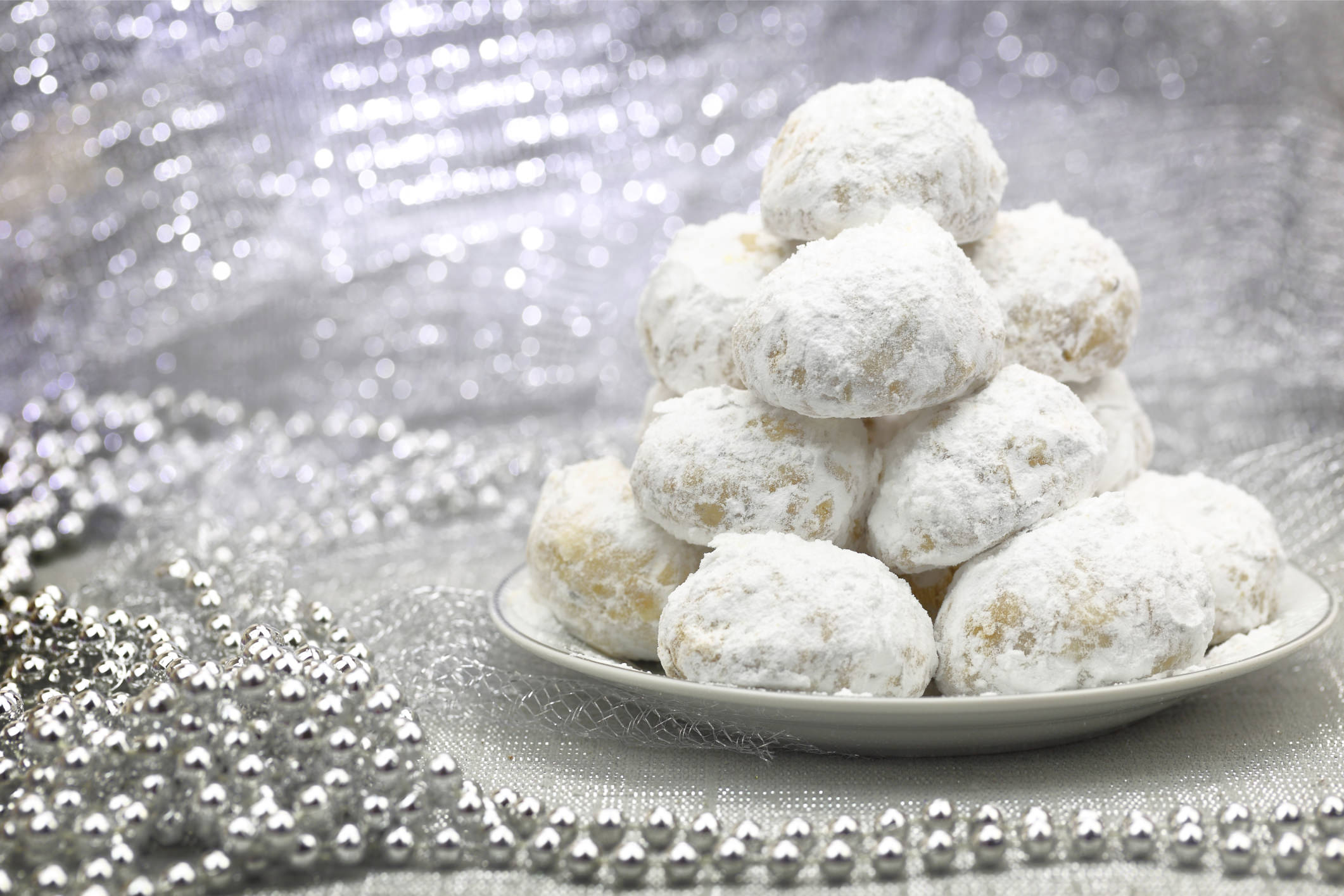
One of my favorite Greek food items to eat during the Christmas season is Kourabiedes:
 www.greekboston.com
Recipe for Kourabiedes - Greek Sugar Cookies
Learn how to prepare and make the Greek cookies Kourabiedes with this helpful recipe.
www.greekboston.com

k_tsoukalas
Administrator
Kourabedies are delicious - they're my favorite too! For Christmas Day we usually cook a roast or something like that, and serve a combination of Greek and American sides. Spanakopita, fasolakia, usually some kind of pie, like Apple pie, kourabedies, baklava...One of my favorite Greek food items to eat during the Christmas season is Kourabiedes:
Recipe for Kourabiedes - Greek Sugar Cookies
Learn how to prepare and make the Greek cookies Kourabiedes with this helpful recipe.
Our favorite!!One of my favorite Greek food items to eat during the Christmas season is Kourabiedes:
Recipe for Kourabiedes - Greek Sugar Cookies
Learn how to prepare and make the Greek cookies Kourabiedes with this helpful recipe.
mastichas09
Active member
Is almond extract available at most grocery stores?Oh my gosh, I love kourabedies, too! During Christmas, I put a little almond extract to give it a bit of a holiday flavor. (I love Christmas cookies that have almond flavoring!)
Yes, in the United States it is. It's in the baking aisle near the vanilla extract and all that.Is almond extract available at most grocery stores?
Its super easy to find, just have to look for itYes, in the United States it is. It's in the baking aisle near the vanilla extract and all that.
1 - 11 of 11 Posts
JOIN THE DISCUSSION AND READ OTHER GREEK INFO:
No Meat Dolmades (Stuffed Grape Leaves) Recipe
- ssherie_
- Greek Food Forum
- Replies: 0
It has taken me a long time to get vegetarian dolmades to the point where I enjoy them. Here is my recipe. It uses a lot of oil, so strict fasters shouldn't eat them. But most people aren't super strict so I would even say these are good for lent!
Ingredients:
- 1 jar of grape leaves (about 60-70 leaves)
- 1 cup short-grain rice
- 1 large onion, finely chopped
- 2 cloves garlic, minced
- 1/2 cup chopped fresh dill
- 1/2 cup chopped fresh mint
- 1/2 cup chopped fresh parsley
- 1/4 cup olive oil, plus extra for drizzling
- Juice of 2 lemons
- Salt and pepper to taste
- Water
Instructions:
- Prepare the Grape Leaves:
- If using grape leaves preserved in brine, rinse them well under cold water to remove excess salt. If using fresh grape leaves, blanch them in boiling water for about 1 minute, then drain and rinse with cold water. Trim off any stems.
- Prepare the Filling:
- In a large bowl, combine the rice, chopped onion, minced garlic, chopped dill, chopped mint, chopped parsley, olive oil, lemon juice, salt, and pepper. Mix well to combine.
- Fill and Roll the Grape Leaves:
- Place a grape leaf flat on a clean work surface, shiny side down, with the stem end facing you. Spoon about 1 tablespoon of the rice filling onto the center of the leaf, near the stem end.
- Fold the bottom of the leaf over the filling, then fold in the sides, and roll tightly into a small cylinder.
- Repeat with the remaining grape leaves and filling, arranging the rolled dolmades seam-side down in a large pot or deep skillet, packing them snugly together.
- Cook the Dolmades:
- Once all the dolmades are rolled and packed in the pot, drizzle with a little olive oil and lemon juice.
- Pour enough water into the pot to just cover the dolmades.
- Place a heatproof plate or lid directly on top of the dolmades to keep them submerged during cooking.
- Bring the water to a boil over medium-high heat, then reduce the heat to low, cover the pot, and simmer gently for about 45-60 minutes, or until the rice is cooked and the grape leaves are tender.
What do you think of Gyro variations?
- xmelissaa
- Greek Food Forum
- Replies: 0
There are some gyro shops near me in the United States and they seem to be putting a different spin on the classic dish. There are some variations. What do you guys think of the variations?
I don't recall seeing these variations in Greece, but I could be wrong. Variations such as - gyros made with different meats, like chicken, those made with Greek meatballs, souvlaki, etc.
And what do you think of putting fries in Gyros? I do see that in Greece.
I don't recall seeing these variations in Greece, but I could be wrong. Variations such as - gyros made with different meats, like chicken, those made with Greek meatballs, souvlaki, etc.
And what do you think of putting fries in Gyros? I do see that in Greece.
Can you make your own rusks?
- redsoxdw_
- Greek Food Forum
- Replies: 1
I love Cretan Dakos!
There's something about the combination of the crunchy rusk soaked with the juice of ripe tomatoes, topped with fresh cheese and olive oil, that has me hooked!
However, given that I live in an area where it's challenging to find authentic Cretan rusks, I'm contemplating on whether I can bake my own at home. I'm curious if anyone here has attempted to make rusks suitable for dakos from scratch.
I know I can order then online. I tried this, and they didn't survive the shipping too well.
There's something about the combination of the crunchy rusk soaked with the juice of ripe tomatoes, topped with fresh cheese and olive oil, that has me hooked!
However, given that I live in an area where it's challenging to find authentic Cretan rusks, I'm contemplating on whether I can bake my own at home. I'm curious if anyone here has attempted to make rusks suitable for dakos from scratch.
I know I can order then online. I tried this, and they didn't survive the shipping too well.
Best meze to serve at Easter?
- toniiv
- Greek Food Forum
- Replies: 1
What is the best Greek meze to serve for Greek Easter? I want dishes that will wow my guests and make this Easter unforgettable. I’m looking for meze that are both traditional and have that ‘wow’ factor in terms of visual appeal and taste. I’d appreciate if you could share your favorites and perhaps some personal tips or recipes that make them stand out.
Here’s what I’m considering so far, but I’d love your input:
Here’s what I’m considering so far, but I’d love your input:
- Tzatziki - A refreshing yogurt, cucumber, and garlic dip.
- Spanakopita - Hearty spinach and feta pie encased in flaky pastry.
- Dolmadakia (Stuffed Grape Leaves) - A tangy and herb-infused delight.
- Feta cheese. A classic - I sometimes drizzle with olive oil and sprinkle with oregano.
- Olives. No meze spread is complete without olives.
Enjoying Cooking with Greek Honey
- axariotisxy
- Greek Food Forum
- Replies: 1
One of the things I love most about Greek honey is its versatility. You can use it in so many different ways in the kitchen. I've drizzled it over Greek yogurt for breakfast, mixed it into salad dressings for a touch of sweetness, and even used it as a glaze for roasted vegetables. The depth of flavor it adds to dishes is truly remarkable.
But perhaps my favorite way to use Greek honey is in baking. It adds a wonderful depth of flavor to cakes, cookies, and pastries. I recently made a batch of baklava using Greek honey, and it was a game-changer. The honey soaked into the layers of phyllo dough, creating a sweet and sticky treat that was absolutely irresistible.
I go out of my way to buy it - if I can't find it locally, I get it online. When I go to Greece, I get some in Greece, too.
What do you love to use Greek honey for?

But perhaps my favorite way to use Greek honey is in baking. It adds a wonderful depth of flavor to cakes, cookies, and pastries. I recently made a batch of baklava using Greek honey, and it was a game-changer. The honey soaked into the layers of phyllo dough, creating a sweet and sticky treat that was absolutely irresistible.
I go out of my way to buy it - if I can't find it locally, I get it online. When I go to Greece, I get some in Greece, too.
What do you love to use Greek honey for?
Sign up for a free account and share your thoughts, photos, questions about Greek food, travel and culture!
WorldwideGreeks.com is a free online forum community where people can discuss Greek food, travel, traditions, history and mythology.
Join Worldwide Greeks here!
Join Worldwide Greeks here!
JOIN COMMUNITY FOR FREE
LOGIN TO YOUR ACCOUNT