1 - 4 of 4 Posts

kosta_karapinotis

Active member
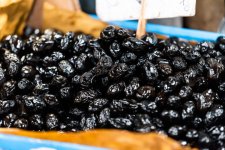
These olives are also known as "cracked olives." They're not as popular as Kalamata olives but their texture makes them super unique and tasty. They come from the Attica region and they are harvested when they are green. The olives get their texture because they are brined and from the way they are prepared.

tsakistes-greek-olives-720x480.jpg
 
  • Like
Reactions: Hash
In
These olives are also known as "cracked olives." They're not as popular as Kalamata olives but their texture makes them super unique and tasty. They come from the Attica region and they are harvested when they are green. The olives get their texture because they are brined and from the way they are prepared.

View attachment 471
In the winter months in Mykonou when I was looking after a taverna and a small hotel we had abundance left over from the summer, we used to eat these with the leftovers of cheese from Creta and onions, cucumber and tomatoes and garlic and octopus and of course tons of red wine or Chipouro!.... Firewater!...?
 
  • Like
Reactions: auroracoor1
In
In the winter months in Mykonou when I was looking after a taverna and a small hotel we had abundance left over from the summer, we used to eat these with the leftovers of cheese from Creta and onions, cucumber and tomatoes and garlic and octopus and of course tons of red wine or Chipouro!.... Firewater!...?
That sounds soooo tasty!! Firewater ahaha :) cheers
 
Whenever I can find these olives in the US, it's a real treat. They have a hearty, stronger flavor and I find that I prefer to cook with these over Kalamata olives for some recipes.
 

Do you make Greek lentil soup with vinegar

I’ve always made fakes with a splash of vinegar, either stirred into the pot near the end or added individually at the table. To me, that little bit of acidity is part of what makes the soup taste right, especially with the earthy lentils, olive oil, onion, garlic, and bay leaf.

But I have a Greek friend who makes hers very differently. She doesn’t use vinegar at all and instead adds quite a lot of tomato product, so her version is much redder and more tomato-forward than mine.

Now I’m curious about what is considered more traditional in Greek cooking. Is vinegar usually a standard part of fakes, or is it more of a regional or family preference? Are tomato-heavy versions just as traditional?

How do you make yours, and what did your family serve growing up?

What Is the Best Way to Serve Taramosalata?

I absolutely love taramosalata and have it pretty regularly at home, but I’m having some people over soon and was wondering about the best way to serve it when entertaining.

Normally I just eat it with some bread or pita, so I don’t really put much thought into presentation. For guests, though, I’d like to make it part of a nice Greek-style spread with a few other things on the table. I was thinking warm pita triangles, crusty bread, maybe some cucumber and other vegetables for dipping, but I’m curious what everyone else usually serves with it.

Do you drizzle a little olive oil over the top or add any kind of garnish? And are there particular meze that you think pair especially well with taramosalata?

I’d love some ideas for making it look a little more special while still keeping everything traditional and simple.

How does your family season dolmades?

I’ve been thinking about how much dolmades can vary from one family to another, especially when it comes to seasoning. Even when the basic ingredients are similar, the flavor can be completely different depending on which herbs and spices are used.

How does your family season dolmades? Do you use mostly dill and parsley, or do you add mint as well? I’ve also seen recipes that include green onions, oregano, or even a little cinnamon, especially when meat is part of the filling.

I’m curious whether you season the rice mixture pretty heavily before rolling the grape leaves or keep it simple and let the lemon and olive oil provide most of the flavor. Does your family add lemon juice directly to the filling, or only during cooking and serving?

I’d especially love to hear about any regional or family traditions. What gives your dolmades their distinctive flavor?

How Do You Keep Lamb from Drying Out in the Oven?

I’ve been cooking more traditional Greek food at home lately, and one thing I’m still trying to get right is oven-roasted lamb. I love the flavor, especially with garlic, lemon, oregano, and potatoes, but sometimes the meat comes out a little drier than I’d like.

For those of you who make lamb regularly, how do you keep it tender and juicy in the oven? Do you cover it for part of the cooking time, add water or broth to the pan, or cook it slowly at a lower temperature?

I’m also wondering if the cut makes a big difference. I usually see leg of lamb used, but would shoulder be more forgiving for a long roast?

I’d like to get that really tender Greek-style lamb that practically falls apart. Any tips on temperature, cooking time, marinades, or resting the meat would be appreciated.

Do you put potatoes in your briam?

I've noticed that there are quite a few variations of briam, especially when it comes to which vegetables people include. One ingredient I'm particularly curious about is potatoes. Do you always put potatoes in your briam, or do you prefer making it without them?

I usually think of briam as a combination of zucchini, eggplant, potatoes, tomatoes, onions, and plenty of olive oil. I love how the potatoes absorb all those wonderful flavors as everything slowly roasts together in the oven.

However, I've seen recipes that leave the potatoes out entirely and focus more on the summer vegetables. I imagine that makes the dish a little lighter.

I'm also curious whether there are regional differences in how briam is prepared throughout Greece. Does your family have a particular way of making it? And what vegetables do you consider absolutely essential?
Sign up for a free account and share your thoughts, photos, questions about Greek food, travel and culture!

WorldwideGreeks.com is a free online forum community where people can discuss Greek food, travel, traditions, history and mythology.
Join Worldwide Greeks here!

JOIN COMMUNITY FOR FREE

LOGIN TO YOUR ACCOUNT
Back
Top

