1 - 2 of 2 Posts

xmelissaa

Active member
This is such a light and refreshing dish!! Here's how to make it
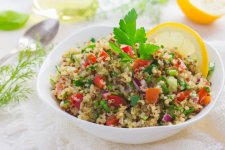
  • 4 tablespoons Greek olive oil
  • 1 medium onion, chopped into small pieces
  • 1 cup bulgur wheat
  • 1 cup water
  • 3 medium tomatoes, sliced (remove the cores)
  • 3 scallions, thinly sliced
  • 1/4 cup chopped fresh parsley
  • 1 tablespoons chopped fresh mint
  • 1 tablespoons fresh lemon zest, from one whole lemon
  • Juice of one whole lemon
  • Sea salt, to taste
  • Black pepper, to taste
All you need to do is finely chop everything and toss in the dressing!

Pligouri-Salata-720x480.jpg
 
  • Like
Reactions: Jawge
I love salads that include wheat. The combination of flavors look delicious. I really love the use of lemon in this recipe!
 

Tips for a Great Tzatziki?

I love making tzatziki at home, but for some reason it never comes out the same twice. I use the exact same recipe every time, but sometimes it’s perfect—thick, creamy, and balanced—and other times it turns out way too thin or watery. It’s driving me a little crazy because I can’t figure out what I’m doing differently.

I usually use Greek yogurt, cucumber, garlic, olive oil, and vinegar or lemon juice. I think I’m draining the cucumber well, but maybe that’s where I’m going wrong? Or could it be the type of yogurt?

Does anyone have tips for getting consistent results? Do you salt and drain the cucumber first? Strain the yogurt more? I’d love to hear what actually makes the difference for you.

Best Grill for Souvlaki?

I was reading something earlier and somehow ended up in a completely unrelated debate about grilling souvlaki, which got me thinking.

We started talking about what actually makes it taste better. One person was saying gas grills are just as good and much easier to control. I can understand that, but I’ve always leaned toward charcoal because it feels like you get more flavor from it. Then someone else chimed in and said charcoal is the way to go, but only if you’re using wood-based or natural briquettes.

Now I’m curious what people here think, especially those who make souvlaki often.

Do you notice a real difference between gas and charcoal? And if you use charcoal, does the type actually matter to you?

Thoughts on Regional Greek Olive Oils?

I’ve recently started paying closer attention to Greek olive oil, and I’m realizing how much regional variation there seems to be. I always knew Greece produced incredible olive oil, but I didn’t fully understand how different oils from Crete, Kalamata, Lesvos, Peloponnese, and other regions can taste from one another.

Some people describe certain oils as peppery, grassy, buttery, fruity, or even slightly spicy, and I’d love to learn how to identify these differences better. I’m especially interested in what makes each region unique. Is it mostly the olive variety, the climate, the soil, or the production methods?

For those of you who really know Greek olive oil, how did you start learning? Are there specific regions or producers that are good starting points for beginners? I’d also love recommendations for oils that really represent their region well.

Greek Shepherd Food Traditions

The last time I was in Greece, I ended up talking with a shepherd for a while, and I’ve been oddly fascinated by the conversation ever since. He explained a little about what his day is like when he’s out with the sheep for long hours in the mountains, and he mentioned the food he brings and eats during the day.

He said he usually carries simple things like bread and cheese, which honestly sounds amazing already, but then he casually mentioned that he also finds food outside while he’s out there. Unfortunately, I didn’t get details because the conversation moved on, and now I’m so curious about it.

What do Greek shepherds traditionally eat during the day? Are there specific foods tied to shepherd life or mountain living? Do they forage for greens, herbs, fruit, or other things while out with the animals?

I’d love to learn more about this tradition.

Do you make gemista with or without meat?

I grew up eating Gemista both ways, and now I’m realizing how divided people are on this. In my family, we usually made them without meat with just rice, herbs, and lots of olive oil, but I know plenty of people who swear they’re not really gemista unless there’s ground meat in the filling.

Lately I’ve been wondering what’s actually more traditional, or if it just comes down to region and family habits. I love the lighter, oil-based version, especially in the summer, but I can see the appeal of the heartier meat version too.

So I’m curious—how do you make your gemista? With meat, without, or both depending on the occasion? And if you feel strongly about it, what makes your version the “right” one?
Sign up for a free account and share your thoughts, photos, questions about Greek food, travel and culture!

WorldwideGreeks.com is a free online forum community where people can discuss Greek food, travel, traditions, history and mythology.
Join Worldwide Greeks here!

JOIN COMMUNITY FOR FREE

LOGIN TO YOUR ACCOUNT
Back
Top