1 - 2 of 2 Posts

acamp7

Active member
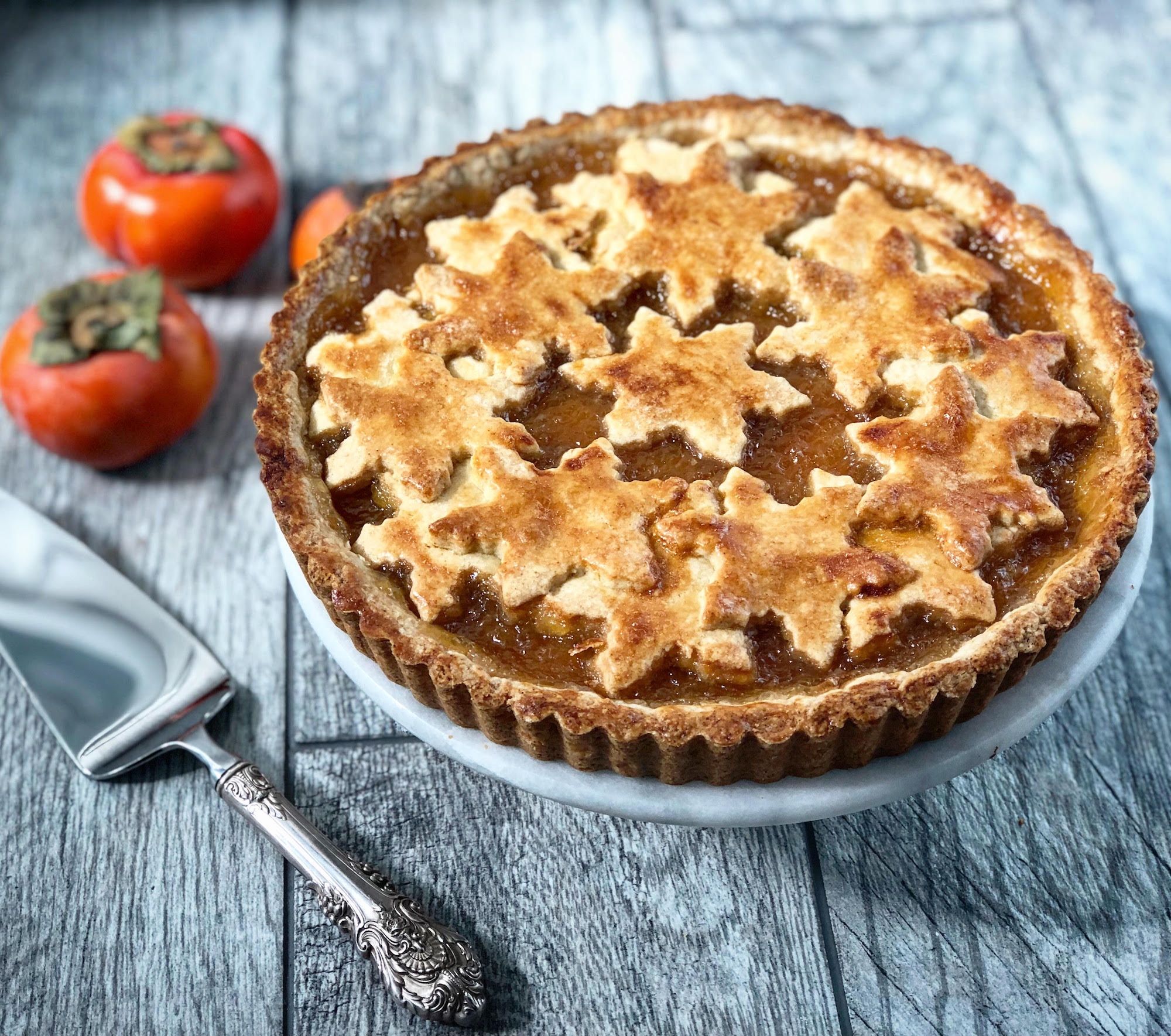
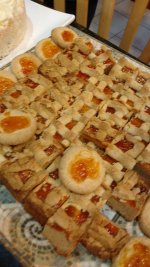
This is one of my favorite Greek desserts. Its not the most popular but its super loved. I found this recipe online but I don't remember where, thought. I would share though.

Ingredients: 3 cups flour, 1 teaspoon baking powder, 1 cup unsalted butter or margarine, 1/3 cup sugar, 2 egg yolks, 2 tablespoons brandy, 1 tablespoon or grated lemon rind, 1 teaspoon vanilla or any flavor desired, 1 pound apricot or strawberry jam and Blanched almonds, if desired

Cream the butter with an electric mixer. Add the sugar and beat them together until the mixture is pale and fluffy.

To ensure that all the sugar is blended in, scrape the sides of the bowl with a rubber spatula from time to time.

Add the egg yolks one by one. Then add the brandy and the flavoring.

Stop beating, and fold in the flour a little at a time, with a wooden spoon, blending it evenly into the mixture.

When the dough becomes too stiff to stir, mix the flour by hand until the dough is light and smooth. Avoid overworking the dough. This would strengthen the gluten, making the dough tough when baked.

On a floured surface, roll out 2/3 of the dough into a round and line it inside the greased pie plate.

Spread the jam over the dough.

Roll out the reserved dough to a thickness of 1/8 inch and cut it into strips 1/2 inch wide.

Lay them across the filling in lattice pattern.

Bake at 350 for 30-35 min!
 
Pasta Flora is so great and one of the most underrated Greek desserts!Here are several pasta flora recipes to check out as well:


IMG_20151126_151759264.jpeg
 

Do you put potatoes in your briam?

I've noticed that there are quite a few variations of briam, especially when it comes to which vegetables people include. One ingredient I'm particularly curious about is potatoes. Do you always put potatoes in your briam, or do you prefer making it without them?

I usually think of briam as a combination of zucchini, eggplant, potatoes, tomatoes, onions, and plenty of olive oil. I love how the potatoes absorb all those wonderful flavors as everything slowly roasts together in the oven.

However, I've seen recipes that leave the potatoes out entirely and focus more on the summer vegetables. I imagine that makes the dish a little lighter.

I'm also curious whether there are regional differences in how briam is prepared throughout Greece. Does your family have a particular way of making it? And what vegetables do you consider absolutely essential?

How does your family season dolmades?

I’ve been thinking about how much dolmades can vary from one family to another, especially when it comes to seasoning. Even when the basic ingredients are similar, the flavor can be completely different depending on which herbs and spices are used.

How does your family season dolmades? Do you use mostly dill and parsley, or do you add mint as well? I’ve also seen recipes that include green onions, oregano, or even a little cinnamon, especially when meat is part of the filling.

I’m curious whether you season the rice mixture pretty heavily before rolling the grape leaves or keep it simple and let the lemon and olive oil provide most of the flavor. Does your family add lemon juice directly to the filling, or only during cooking and serving?

I’d especially love to hear about any regional or family traditions. What gives your dolmades their distinctive flavor?

What Is the Best Way to Serve Taramosalata?

I absolutely love taramosalata and have it pretty regularly at home, but I’m having some people over soon and was wondering about the best way to serve it when entertaining.

Normally I just eat it with some bread or pita, so I don’t really put much thought into presentation. For guests, though, I’d like to make it part of a nice Greek-style spread with a few other things on the table. I was thinking warm pita triangles, crusty bread, maybe some cucumber and other vegetables for dipping, but I’m curious what everyone else usually serves with it.

Do you drizzle a little olive oil over the top or add any kind of garnish? And are there particular meze that you think pair especially well with taramosalata?

I’d love some ideas for making it look a little more special while still keeping everything traditional and simple.

Do you make Greek lentil soup with vinegar

I’ve always made fakes with a splash of vinegar, either stirred into the pot near the end or added individually at the table. To me, that little bit of acidity is part of what makes the soup taste right, especially with the earthy lentils, olive oil, onion, garlic, and bay leaf.

But I have a Greek friend who makes hers very differently. She doesn’t use vinegar at all and instead adds quite a lot of tomato product, so her version is much redder and more tomato-forward than mine.

Now I’m curious about what is considered more traditional in Greek cooking. Is vinegar usually a standard part of fakes, or is it more of a regional or family preference? Are tomato-heavy versions just as traditional?

How do you make yours, and what did your family serve growing up?

Do you make your pastitsio with a thick or thin layer of krema?

I've always preferred my pastitsio with a nice, thick layer of béchamel on top. To me, that's one of the best parts of the dish! I love when the krema is rich, creamy, and thick enough to hold its shape when you cut into the pastitsio.

The problem is that I've been having trouble getting my krema just right. Sometimes it comes out too thin, and other times the texture isn't quite as smooth as I'd like. I've tried adjusting the amount of flour and milk, but I still haven't found the perfect balance.

I'm curious how everyone else makes theirs. Do you prefer a thick layer of béchamel or just enough to cover the pasta? Does your family add eggs or cheese to the mixture?

I'd especially love to hear any tips for making a thick, smooth krema that sets beautifully when baked!
Sign up for a free account and share your thoughts, photos, questions about Greek food, travel and culture!

WorldwideGreeks.com is a free online forum community where people can discuss Greek food, travel, traditions, history and mythology.
Join Worldwide Greeks here!

JOIN COMMUNITY FOR FREE

LOGIN TO YOUR ACCOUNT
Back
Top