
1 - 2 of 2 Posts

acamp7

Active member
I love anything and everything related to Greek Mbhalati, and I'm just so happy that Netflix is releasing a new show that is based on Greek mythology. The show is supposed to be a contemporary spin on Greek mythology and has some dark and comedic undertones. I've been a homebody ever since the pandemic and I love having movie nights at home with the family. I can't wait for this new series to come out!! Will you be watching it?
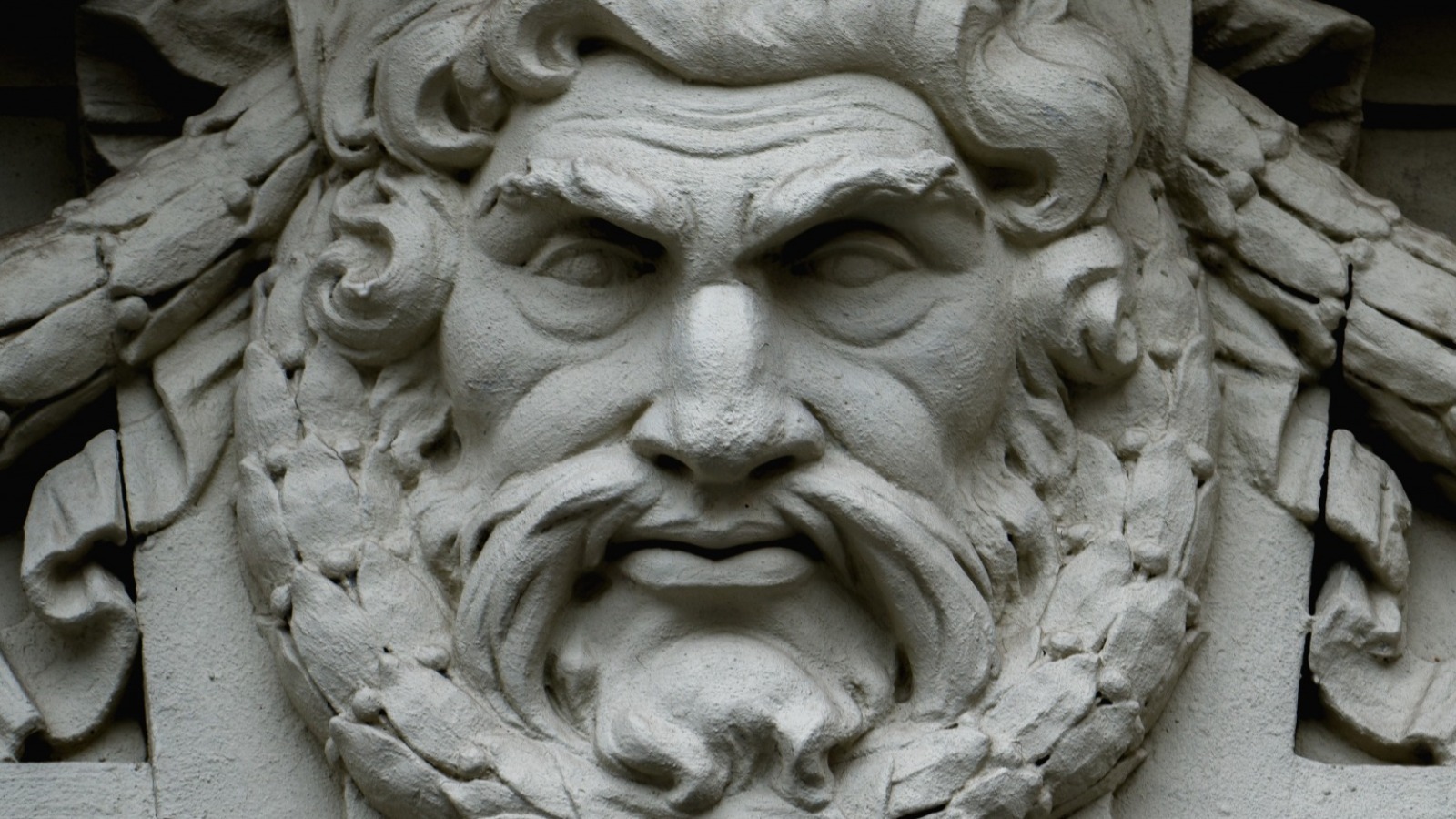

 

What is the symbolism behind Medusa?

I’m Greek, but I feel like I only ever heard the surface version of Medusa growing up, the “monster with snakes for hair who turns people to stone.” Lately I’ve been seeing people talk about her in a completely different way, more symbolic than literal, and now I’m curious what the deeper meaning actually is.

Was she always meant to be a monster, or is there more to her story? I’ve also heard that in some versions, she wasn’t originally a monster at all, which changes how you look at everything.

Is Medusa meant to represent danger, protection, transformation… something else entirely? And how did ancient Greeks view her compared to how we interpret her now?

I’d really love to understand this from a more cultural and mythological perspective, not just the simplified version most of us grew up with.

Was Corfu Really Homer's Scheria?

I'm hoping to visit Corfu in late summer or early fall, so I've been reading more about the island's mythology before I go. One thing that keeps coming up is the idea that Corfu was Homer's Scheria, home of the Phaeacians in the Odyssey. The more I read, the more fascinated I become.

I know there are different theories, and not everyone agrees that Scheria was actually Corfu. Still, it's fun to imagine Odysseus washing ashore there and meeting Nausicaa before finally returning to Ithaca. It certainly adds another layer to visiting the island.

What do you all think? Do you believe Corfu really inspired Homer's Scheria, or do you think Scheria was meant to be an entirely mythical place? I'd also love recommendations for any sites on Corfu with strong connections to these myths that are worth visiting.

Role of Women in Greek Myths?

Greek mythology is full of powerful stories, but lately I’ve been thinking about the role of women within those stories and I’d love to hear everyone’s interpretations.

Women in Greek myth are everywhere: goddesses, queens, witches, victims, heroes, catalysts. Yet their roles can be wildly contradictory. We have figures like Athena, symbolizing wisdom and strategic power, alongside Aphrodite, who shapes fate through desire. Then there’s Hera, often portrayed as jealous, but also deeply tied to marriage and sovereignty. Mortal women, like Penelope, Helen, Medea, or Ariadne, each carry a different kind of strength, suffering, or agency.

Some myths elevate women as creators or protectors; others reduce them to cautionary tales. And in some stories, women seem to drive the entire narrative even when the focus is supposedly on male heroes. So what do you think? What is the role of women in Greek myths?

Favorite Greek hero and why?

I’ve been spending more time lately reading Greek mythology, and I keep coming back to how different the heroes are from one another. Some rely on strength, others on intelligence, and some seem almost defined by their flaws as much as their accomplishments. It makes the stories feel more human than I expected.

Personally, I find characters like Odysseus interesting because of the strategy and endurance involved, but I can also see the appeal of someone like Heracles with the raw physical trials. Achilles is another one who’s hard to ignore because of the intensity and tragedy built into his story.

I’m curious which Greek hero stands out most to others and what draws you to them. Is it their personality, their achievements, or the story itself?

Which Greek myth feels most relevant to modern life?

I am curious, which Greek myths feel the most relevant to you in modern life? I’ve been thinking about this lately and I’m curious how others see it.

For me, the myth that feels most relevant right now is Narcissus. The focus on reflection, self-image, and the need for validation feels very familiar in a world shaped by social media. So much of modern life revolves around how we look, how we’re perceived, and how much attention or approval we receive.

The story feels less about vanity and more about becoming absorbed in an image and losing real connection in the process. That idea seems especially timely.

What about you? Which Greek myth feels most relevant to modern life, and what makes it stand out to you today?
Share and discuss Greek mythology!

WorldwideGreeks.com is a free online forum community where people can discuss Greek food, travel, traditions, history and mythology.
Join Worldwide Greeks here!

JOIN COMMUNITY FOR FREE

LOGIN TO YOUR ACCOUNT
Back
Top

