1 - 4 of 4 Posts

nm1999

Active member
I love to make gyros at home. For a sauce, I usually use tzatziki (either store bought or homemade). When I buy tzatziki it's usually the Greek store.

However, I know that there is another sauce option for gyros. I have encountered it in Greece but I don't know what it is! It kind of tastes like tzatziki, but it's a bit of a light orange color.

Does anyone know what it is and how I can make it at home?
 
I agree that homemade tzatziki is so much better but sometimes I just don't have a chance to put it together. The store bought doesn't compare, but it's better than nothing I guess. The best is when I have time to do it right and pick up some homemade Greek yogurt from the Greek store.
 
  • Like
Reactions: nm1999
I have head that the sauce I am trying to think of involves ketchup... if that helps jog people's memories.
 
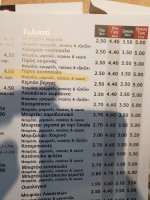
The name of the sauce you're talking about is called "sauce" (see picture), and it's commonly eaten with a chicken gyros while tzatziki is eaten with pork. If you go north of Athens, then people start doing different things. For example, in volos you get tzatzik, mustard, and ketchup - tzatziki on the pita, and mustard and ketchup will be on the French fries.

Anyway, "sauce" is made by mixing Greek yogurt with mustard, mayonnaise, and ketchup. My wife makes it without the yogurt because we like a stronger flavor...20221130_192518.jpg
 
Last edited:

What Greek dishes were your favorites to learn from your family?

One of my favorite things about Greek cooking is how much of it gets passed down through families. So many traditional recipes aren't necessarily written down. Instead, we learn by watching our parents, grandparents, and other relatives prepare dishes they've been making for years.

I've learned quite a bit this way, and I find that some dishes become so second nature that it's actually difficult to explain the process to someone else! You just develop a feel for how much of each ingredient to use and when everything looks or tastes right.

I'm curious what everyone else's experiences have been. What Greek dishes were your favorites to learn from family members? Were there certain recipes you especially enjoyed helping with when you were younger?

And do you still make those dishes exactly as you were taught, or have you developed your own little variations over the years?

Info About Greek Pork Dish with Celery and Leeks?

I'm trying to remember the name of a traditional Greek dish that my family used to make when I was younger. It had pork, celery, and leeks, and I remember it being absolutely delicious! Unfortunately, I never learned how to make it, and now I'm hoping to recreate it.

I remember the pork being very tender, and the vegetables were cooked until they were soft and flavorful. I can't remember all the ingredients, but I believe there might have been a lemon sauce involved. I'm not sure if it was avgolemono or something simpler.

Does anyone know what this dish might be called? I'd also love to hear how your family prepares it, especially which cuts of pork work best and whether you use any additional herbs or seasonings. I'd really like to bring this dish back into my kitchen and enjoy it again!

Traditional Greek Recipes Using Chestnuts

I've been thinking about trying some traditional Greek recipes that use chestnuts. I know they're popular in certain regions of Greece, especially during the fall and winter months, but I haven't done much cooking with them myself. I have some old family recipes but chestnuts aren't readily available where I live. Besides what I have for my recipes, I am interested in what other people do.

I'm especially interested in older recipes that might have been passed down through families. It seems like chestnuts were once a more common ingredient in everyday cooking, particularly in mountainous areas where chestnut trees grow.

Does anyone have favorite traditional Greek recipes that use chestnuts? I'd love to hear how you prepare them and which dishes are worth trying first. This entered my mind because chestnuts are all over the place in Greece at a certain time of year and you can even buy them roasted on the streets!

What’s the Best Way to Squeeze Cucumbers for Tzatziki?

I've been thinking about the different ways people prepare cucumbers for tzatziki, and I'm curious about which method works best. Everyone seems to have their own technique for getting rid of the excess moisture!

Some people grate the cucumber, sprinkle it with salt, and let it sit before squeezing. Others skip the salt entirely and squeeze the cucumber immediately. I've also seen people use paper towels, clean kitchen towels, and even cheesecloth to get as much liquid out as possible.

I'm wondering whether salting the cucumber first actually makes a noticeable difference in the final texture. Does it help create a thicker, creamier tzatziki, or is squeezing enough?

What method do you use? Do you have a favorite technique that consistently gives you the perfect tzatziki? I'd love to hear everyone's tips and family tricks!

How do you keep homemade spanakopita from getting soggy?

I've been thinking about making homemade spanakopita, and one thing I'm trying to figure out is how to keep it from getting soggy. I love when the phyllo is nice and crispy, but I know that spinach releases a lot of moisture, which can make that difficult.

I've heard that squeezing as much liquid as possible out of the spinach is important, especially when using frozen spinach. I've also heard that some people cook the spinach first to help remove excess moisture. I'm wondering if there are other tricks that make a difference.

Does the type of feta you use matter? What about the amount of olive oil or butter between the phyllo layers? I'm also curious whether the baking temperature makes a difference.

For those of you who make spanakopita regularly, what are your best tips for getting that perfectly crispy texture?
Sign up for a free account and share your thoughts, photos, questions about Greek food, travel and culture!

WorldwideGreeks.com is a free online forum community where people can discuss Greek food, travel, traditions, history and mythology.
Join Worldwide Greeks here!

JOIN COMMUNITY FOR FREE

LOGIN TO YOUR ACCOUNT
Back
Top