1 - 2 of 2 Posts

Hash

Well-known member
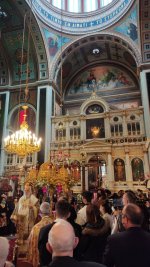
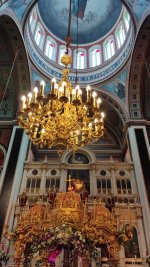
IMG-a09ad3bb6c9ee078da985a86a521fc2c-V.jpgScreenshot_2022-04-24-07-13-34-756_com.viber.voip.jpgIMG-0e0d846119778af10444d641da83f2b9-V.jpg
 
Last edited:
  • Like
Reactions: francescool
  • Like
Reactions: Hash

Does your family make fanouropita for Saint Phanourios Day?

I recently saw a news article about Saint Fanourios Day, and it showed people bringing fanouropita cakes to a church to be blessed. I knew about fanouropita and the tradition of making it when you’re hoping to find something that has been lost, but I didn’t realize how much of a church tradition it could be on the saint’s feast day itself.

Does your family make fanouropita for Saint Fanourios Day? If so, do you bring the cake to church to be blessed, or do you usually make it at home and share it with family and friends?

I’m also curious whether this is something that is still widely done in Greece or if it depends on the region, parish, or family. Are there any other traditions your family follows for Saint Fanourios Day?

I’d love to hear how people observe the day and whether fanouropita is part of your family’s tradition.

Do younger generations still follow traditional Greek customs?

Lately I’ve been wondering how much traditional Greek culture is still being carried forward by younger generations, both in Greece and in the diaspora.

I’m not talking only about the big holidays or major family events, but the smaller everyday things too — name days, church traditions, hospitality, family meals, fasting periods, village festivals, coffee rituals, respect for elders, even certain sayings and customs. Do younger Greeks still actively participate in these traditions, or do they mostly happen because parents and grandparents keep them going?

I imagine the answer probably depends a lot on location, family, and lifestyle. Someone growing up in a village might have a different experience than someone in Athens or abroad. I’d love to hear from people of different ages, which traditions have stayed strong, which ones are fading, and are there any that younger generations are bringing back in new ways?

How was your experience using a virtual concierge at a luxury resort?

Booked a fancy resort for a once-in-a-blue-moon getaway, and they keep hyping up this “virtual concierge” thing like it’s the next big miracle. I’m kinda torn. Part of me loves the idea of ditching phone calls, but part of me worries it’ll feel cold or glitchy, like talking to a chat bot instead of a real human who actually cares if my room smells weird or if I need extra towels. If you’ve used one before, was it helpful or just marketing fluff? I’m trying to figure out if I should trust it or just stick to the front desk.

Greek Easter Celebrations in Greece?

I’ve been thinking a lot about Greek Easter lately and realized I don’t actually know what it’s like to experience it in Greece itself.

I grew up with the traditions here, like church services, red eggs, the midnight “Christos Anesti,” and of course the big Sunday feast, but I’m curious how it all feels in Greece. Is the atmosphere different? More intense? More communal?

What are the days leading up to Easter like there, especially Holy Week? Are there specific customs, processions, or local traditions that stand out depending on the region?

I’ve also heard things about candles at midnight, fireworks, and entire towns participating, how true is that?

Would love to hear from anyone who has experienced it in Greece or grew up there. What are the moments that really define Greek Easter for you?

Are most Greeks left or right?

Are most Greeks liberal leftist progressives? Most that I encounter are. Not only that but self hating. WHY?
Share and discuss Greek traditions related to Greek weddings, christenings, dance & holidays!

WorldwideGreeks.com is a free online forum community where people can discuss Greek food, travel, traditions, history and mythology.
Join Worldwide Greeks here!

JOIN COMMUNITY FOR FREE

LOGIN TO YOUR ACCOUNT
Back
Top