1 - 2 of 2 Posts

toniiv

Active member
Roast lamb is super simple to make. All you need to do is buy a big leg of lamb, and let it marinate with olive oil, lemon, garlic, salt, and oregano. The key to making a good lamb that stays juicy, is wrapping it up in parchment paper. I like to cook it on low, for as long as it's crispy on the outside and soft and brown/pink on the inside. Enjoy :)
 
Roast lamb is super simple to make. All you need to do is buy a big leg of lamb, and let it marinate with olive oil, lemon, garlic, salt, and oregano. The key to making a good lamb that stays juicy, is wrapping it up in parchment paper. I like to cook it on low, for as long as it's crispy on the outside and soft and brown/pink on the inside. Enjoy :)
Lamb in paper is so good. Thanks for sharing your recipe! I do something similar but I don't marinate it for some reason. I should try that!
 

Sharing Greek Food with Friends - Recommendations?

I’m having a few friends over for dinner soon, and none of them are Greek, so I thought it would be fun to make a full Greek-style meal for them. I grew up with Greek food, so a lot of dishes feel “normal” to me, but now I’m realizing I’m not sure what works best for people who didn’t grow up eating it.

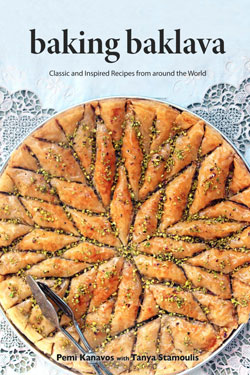
I definitely want to include a few traditional dishes, but I also don’t want to overwhelm everyone with too many things at once. I was thinking maybe spanakopita, souvlaki, Greek salad, rice, and some kind of dessert like baklava or galaktoboureko. I’m also wondering if there are certain dishes that tend to be crowd favorites with people who are newer to Greek food.

What meals or combinations have worked well for you when introducing Greek food to non-Greek friends? Any suggestions for appetizers, sides, or desserts would be appreciated too.

Best way to cook gigantes beans?

I recently picked up a bag of dried gigantes beans from Greece, and I want to do them justice. I’ve had gigantes plaki at tavernas before and loved how soft and creamy the beans were, with that rich tomato sauce and olive oil.
Now that I have the real thing at home, I’m curious, what’s the best way to cook them? Do you soak overnight or use a quicker method? And when it comes to flavor, do you go traditional with tomato, onion, and herbs, or do you keep it simpler?

I’ve seen some recipes that bake them, others that simmer them on the stove, and even a few that finish them in the oven after cooking. Not sure which method gives the best texture and flavor. How do you get them perfect?

Best side dishes to serve with grilled fish?

Now that the weather is getting warmer, I’ve been grilling fish more often, usually things like branzino, salmon, or whole dorade with olive oil, lemon, and herbs. The fish itself always turns out great, but I feel like I fall into the same side dishes every single time and could use some new ideas.

I usually do something simple like roasted potatoes or a Greek salad, which I love, but I’m curious what everyone else likes serving alongside grilled fish. Do you prefer lighter sides that let the fish stand out, or more filling dishes to make it a complete meal?

I’m especially interested in traditional Greek combinations if anyone has favorites. Things like horta, gigantes, rice pilaf, grilled vegetables, or even dips and spreads. I’d love ideas that feel fresh, summery, and Mediterranean without being too heavy. What side dishes do you always come back to with grilled fish?

Do you make gemista with or without meat?

I grew up eating Gemista both ways, and now I’m realizing how divided people are on this. In my family, we usually made them without meat with just rice, herbs, and lots of olive oil, but I know plenty of people who swear they’re not really gemista unless there’s ground meat in the filling.

Lately I’ve been wondering what’s actually more traditional, or if it just comes down to region and family habits. I love the lighter, oil-based version, especially in the summer, but I can see the appeal of the heartier meat version too.

So I’m curious—how do you make your gemista? With meat, without, or both depending on the occasion? And if you feel strongly about it, what makes your version the “right” one?

Regional Variations of Dolmades?

I’ve noticed something interesting with dolmades and wanted to see what others think.

I’ve had them in different parts of Greece, and they’re never exactly the same. Sometimes they’re more lemony, sometimes heavier on herbs, and other times the texture or filling feels completely different.

It made me wonder, are these differences mostly regional, or is it more about what ingredients are available at the time? I’ve seen versions with just rice, others with meat, and even small variations in how tightly they’re rolled or cooked.

Is there a “standard” version across Greece, or is variation part of the tradition? I’m really curious how people here think about it, especially if you’ve had them in multiple regions or grew up eating them at home.
Sign up for a free account and share your thoughts, photos, questions about Greek food, travel and culture!

WorldwideGreeks.com is a free online forum community where people can discuss Greek food, travel, traditions, history and mythology.
Join Worldwide Greeks here!

JOIN COMMUNITY FOR FREE

LOGIN TO YOUR ACCOUNT
Back
Top