

Our Cooking Greek Cookbook recipe of the week pick is: Fasolakia (Greek Style Green Bean)
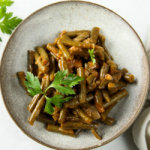
Fasolakia, or Greek-style green beans, is a cherished dish that occupies a special place in Greek cuisine and the hearts of those who savor it. This dish, while simple, is bursting with flavor, featuring tender green beans slowly simmered in a rich tomato sauce, often with potatoes, onions, garlic, and plenty of olive oil. The outcome is a warm, satisfying meal that embodies the spirit of Mediterranean cooking.
The popularity of Fasolakia stems from its focus on fresh, wholesome ingredients. The dish brings out the natural flavors of the vegetables, with the sweet acidity of the tomatoes balancing perfectly with the earthy taste of the green beans. Olive oil, a cornerstone of Greek cooking, adds a rich, smooth texture that elevates the dish, while the slow-cooking process allows all the flavors to blend seamlessly.
Fasolakia is also loved for its versatility and nutritional benefits. It can be served as a main course, particularly during periods of fasting when meat is avoided, or as a side dish alongside other Greek specialties. Not only is the dish delicious, but it is also nutritious, packed with fiber, vitamins, and antioxidants from the green beans and tomatoes, making it an excellent choice for those who prioritize both flavor and health.
Moreover, Fasolakia is steeped in tradition and nostalgia. It’s a dish that evokes memories of home-cooked meals, family dinners, and the simple joys of rural life. For many, eating Fasolakia is a way to connect with their roots and enjoy the comforting flavors of a time-honored recipe.
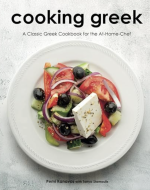
Pick up a copy of the best-selling Greek Cookbook, Cooking Greek here:
https://www.amazon.com/Cooking-Greek-Classic-Cookbook-At-Home/dp/B0BL9X9F4D/
Fasolakia, or Greek-style green beans, is a cherished dish that occupies a special place in Greek cuisine and the hearts of those who savor it. This dish, while simple, is bursting with flavor, featuring tender green beans slowly simmered in a rich tomato sauce, often with potatoes, onions, garlic, and plenty of olive oil. The outcome is a warm, satisfying meal that embodies the spirit of Mediterranean cooking.
The popularity of Fasolakia stems from its focus on fresh, wholesome ingredients. The dish brings out the natural flavors of the vegetables, with the sweet acidity of the tomatoes balancing perfectly with the earthy taste of the green beans. Olive oil, a cornerstone of Greek cooking, adds a rich, smooth texture that elevates the dish, while the slow-cooking process allows all the flavors to blend seamlessly.
Fasolakia is also loved for its versatility and nutritional benefits. It can be served as a main course, particularly during periods of fasting when meat is avoided, or as a side dish alongside other Greek specialties. Not only is the dish delicious, but it is also nutritious, packed with fiber, vitamins, and antioxidants from the green beans and tomatoes, making it an excellent choice for those who prioritize both flavor and health.
Moreover, Fasolakia is steeped in tradition and nostalgia. It’s a dish that evokes memories of home-cooked meals, family dinners, and the simple joys of rural life. For many, eating Fasolakia is a way to connect with their roots and enjoy the comforting flavors of a time-honored recipe.
Pick up a copy of the best-selling Greek Cookbook, Cooking Greek here:
https://www.amazon.com/Cooking-Greek-Classic-Cookbook-At-Home/dp/B0BL9X9F4D/

