1 - 3 of 3 Posts

kosta_karapinotis

Active member
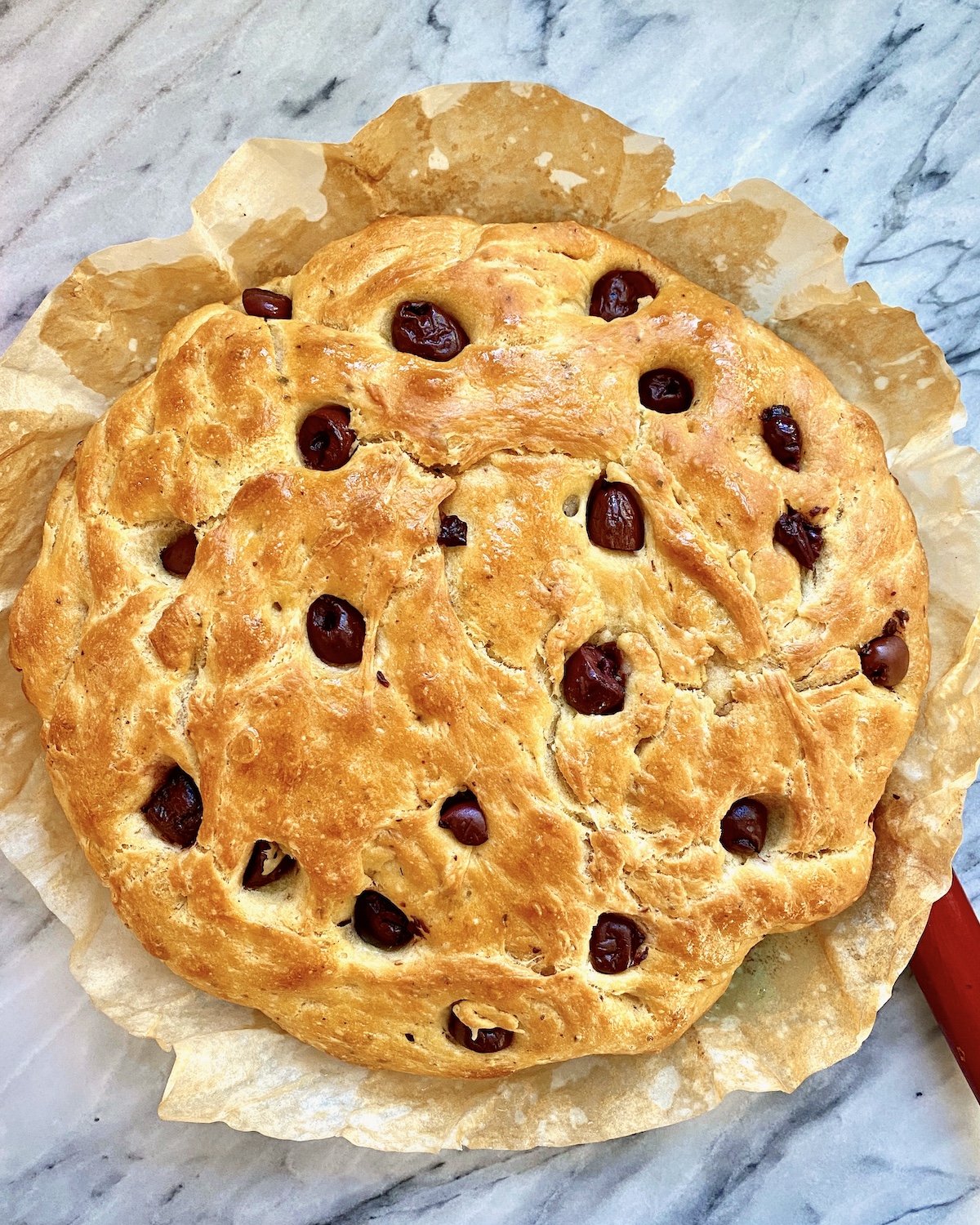
Olive bread is absolutely fantastic, and it upgrades every bread recipe. If you already have a bread recipe that you like, all you need to do is add olives to the dough. Kalamata olives are the classic, but any olives will do. The olives don't change the consistency of the bread, or mess up any of the chemistry and existing recipes. Here is an olive bread recipe that I use and that I really like. :)

 
  • Like
Reactions: Laura48
That looks gorgeous, I wonder if the milk can be swapped out for a non-dairy version.
 
This looks delicious!
That looks gorgeous, I wonder if the milk can be swapped out for a non-dairy version.
For nondairy just sub water. It may change the texture, though, and you might need to knead it.
 
  • Like
Reactions: Laura48

What Is the Best Way to Serve Taramosalata?

I absolutely love taramosalata and have it pretty regularly at home, but I’m having some people over soon and was wondering about the best way to serve it when entertaining.

Normally I just eat it with some bread or pita, so I don’t really put much thought into presentation. For guests, though, I’d like to make it part of a nice Greek-style spread with a few other things on the table. I was thinking warm pita triangles, crusty bread, maybe some cucumber and other vegetables for dipping, but I’m curious what everyone else usually serves with it.

Do you drizzle a little olive oil over the top or add any kind of garnish? And are there particular meze that you think pair especially well with taramosalata?

I’d love some ideas for making it look a little more special while still keeping everything traditional and simple.

How Much Garlic in a Batch of Tzatziki?

How much garlic do you usually put in a batch of tzatziki? I think I may be using a little too much. I usually make mine with about 2 cups of Greek yogurt and 4 cloves of garlic, along with cucumber, olive oil, and the other usual ingredients.

It tastes great when I first make it, but we usually take about three days to finish the batch. By the second or third day, the garlic flavor and smell become really strong. Some people in my household love that and don’t mind it at all, but others think it becomes a bit overpowering. I’m starting to agree that four cloves might be too much, especially since the garlic seems to get stronger as it sits.

What do you all do? How many cloves would you use for about 2 cups of Greek yogurt?

Favorite Greek Cheeses Beyond Feta

Feta gets most of the attention when people talk about Greek cheese, but there are so many other varieties worth trying. I’m curious which Greek cheeses everyone enjoys most beyond feta.

Graviera is one of my favorites because it works so well on a cheese plate, grated over dishes, or just eaten with bread. Kasseri is another one I really like, especially melted. I’ve also been interested in trying more regional cheeses like metsovone, manouri, kefalotyri, and formaela.

Some Greek cheeses seem to be much easier to find outside Greece than others, so I’d also love to know which ones people regularly buy and where they usually find them.

What Greek cheeses do you keep coming back to? Are there certain ones you associate with a particular region, dish, or family tradition? And if someone has mostly eaten feta, which Greek cheese would you recommend they try next?

Is lamb or beef more traditional for giouvetsi?

I've been looking into traditional Greek giouvetsi recipes lately, and I'm curious about which meat is considered the most traditional. I've seen recipes that use lamb, others that call for beef, and even some that use chicken.

I love the idea of slowly cooking the meat in a rich tomato sauce with orzo until everything becomes tender and flavorful. However, I'm wondering whether lamb or beef would be the more authentic choice.

Is one traditionally preferred in certain regions of Greece? I've read that lamb is often associated with older Greek recipes, but beef seems to be very common in modern versions of giouvetsi.

I'm also curious whether the choice of meat changes the way the dish is prepared. Does lamb require different seasonings or cooking times than beef?

For those familiar with traditional Greek cooking, which version do you prefer, and which would you recommend trying first?

Do You Make Avgolemono Thick or Brothy?

I usually prefer avgolemono somewhere in the middle. I don’t like it so thick that it feels almost like a cream soup, but I also don’t want it completely thin and brothy. For me, the best version has enough egg and lemon to give the broth some body while still keeping it light.

A lot probably depends on what kind of avgolemono you’re making, too. In chicken soup, I like it a little more brothy because I want the rice or orzo and chicken to still stand out. With something like lahanodolmades, I don’t mind the avgolemono sauce being thicker because it is coating the food rather than serving as the soup itself.

The lemon level matters just as much as the thickness. I like enough lemon to make it bright and noticeable, but not so much that it overwhelms everything else. I think balance is really the key.
Sign up for a free account and share your thoughts, photos, questions about Greek food, travel and culture!

WorldwideGreeks.com is a free online forum community where people can discuss Greek food, travel, traditions, history and mythology.
Join Worldwide Greeks here!

JOIN COMMUNITY FOR FREE

LOGIN TO YOUR ACCOUNT
Back
Top