1 - 4 of 4 Posts

greek_ggirl

Active member
This is one of the best Greek soups in my opinion because it is so herby and lemony that you don't get that very fishy smell from the soup. Its also very healthy since the recipe uses fresh white fish which is low in fat and high in vitamins. I like to make a big batch of this and eat it throughout the week, especially when me or someone in my family is sick. You can always add or take away ingredients such as veggies and use any blend of seafood that you like.
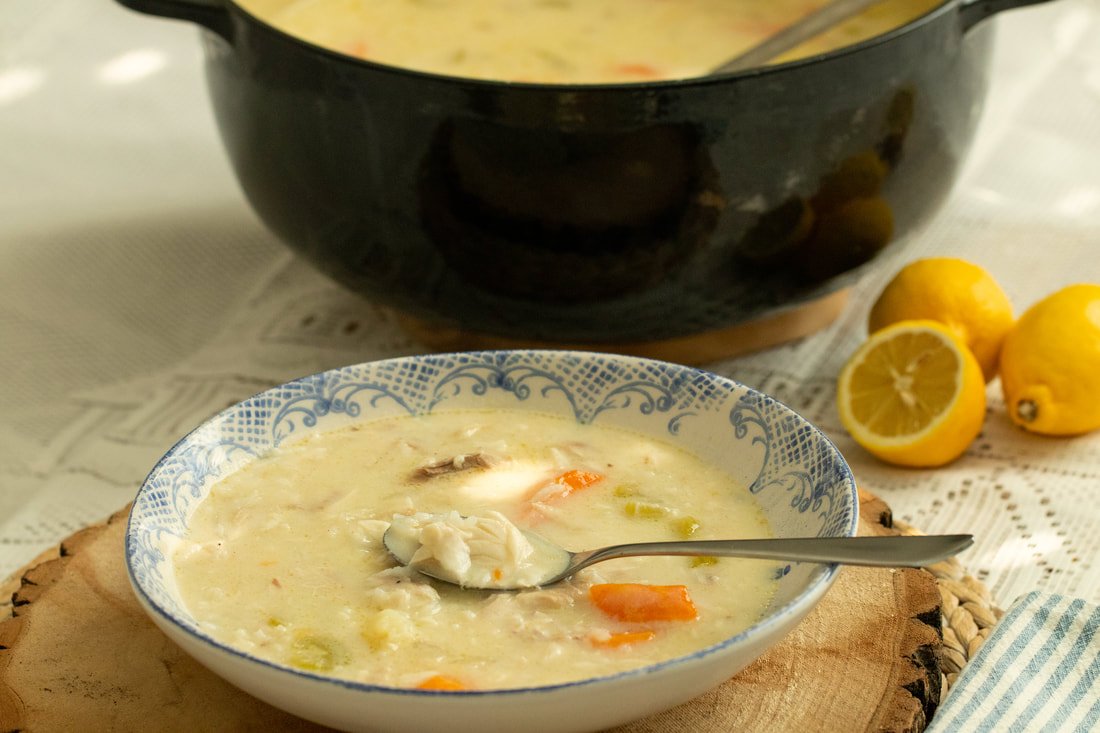

 
This is one of the best Greek soups in my opinion because it is so herby and lemony that you don't get that very fishy smell from the soup. Its also very healthy since the recipe uses fresh white fish which is low in fat and high in vitamins. I like to make a big batch of this and eat it throughout the week, especially when me or someone in my family is sick. You can always add or take away ingredients such as veggies and use any blend of seafood that you like.

Yes! It is delicious. I have had this in Greece and typically, they use anything that has been freshly caught in this. Sooo good. Thanks for the recipe!
 
This is a very common dish served in elementary school for lunch... the idea of fish soup has always bothered me, and I can never get past the mental barrier despite the soup tasting really good.
 
  • Like
Reactions: kosta_karapinotis
This is a very common dish served in elementary school for lunch... the idea of fish soup has always bothered me, and I can never get past the mental barrier despite the soup tasting really good.
Its definitely one of those dishes that you either love or hate. It's really good if youre sick though!!
 

Best regional Greek salads beyond horiatiki?

I realized recently that whenever people talk about Greek salads, it almost always comes back to horiatiki. I am just curious because I KNOW Greeks are eating different salads. I was in a taxi once where the driver parked at an Aldi, ran in, bought lettuce, and then proceeded to drive us where we were going. Anyway, that got me curious about what people eat.

I’ve heard of dakos in Crete and I know some islands and villages seem to use different vegetables, herbs, breads, cheeses, etc.. I’m especially curious about dishes that people actually eat in the summer rather than restaurant versions made for tourists. What do you think?

Tzatziki - making it thicker?

I've been experimenting with making homemade tzatziki, and while the flavor came out great, the texture was much thinner than I expected.

I used Greek yogurt and grated cucumber, and I did squeeze the cucumber before mixing everything together. The problem is that after it sat for a while, it became fairly watery. It still tasted good, but it didn't have that thick, creamy texture you get at many tavernas and Greek restaurants.

For those of you who make tzatziki regularly, what do you do to keep it thick? Do you squeeze the cucumber multiple times? Let it drain longer? Use a particular brand of yogurt? I've also heard some people strain the yogurt itself.

I'm curious about traditional methods as well as any family tips you've picked up over the years. What has worked best for you?

Greek herbs to grow in a summer garden?

I’m putting together a small summer herb garden this year and realized a lot of the flavors I associate most with Greek food come from really simple herbs.

Obviously oregano came to mind first, but then I started thinking about mint, dill, thyme, rosemary, and even things like mountain tea. It made me curious what herbs people from Greece or Greek families tend to actually grow at home during the summer months.

I also wasn’t sure if certain herbs are more connected to certain regions or types of cooking. Some seem tied to seafood dishes, others to roasted vegetables, grilled meat, pies, sauces, etc.

Would love recommendations, especially herbs that grow well in hotter weather and get used often in traditional Greek cooking. Curious what everyone here keeps planted during the summer.

What’s the correct way to eat fava?

I’ve had fava quite a few times over the years and realized I may not actually know the “correct” way to eat it…

Sometimes it’s served really simply with olive oil, onion, capers, and lemon. Other times people seem to treat it more like a dip and eat it with bread, while I’ve also seen it served alongside seafood or other small dishes.

So now I’m curious, is there a traditional way people in Greece would eat fava, or does it depend on the region and family?

Do you mix everything together? Eat the toppings separately? Warm or room temperature? Bread or no bread?

Sharing Greek Food with Friends - Recommendations?

I’m having a few friends over for dinner soon, and none of them are Greek, so I thought it would be fun to make a full Greek-style meal for them. I grew up with Greek food, so a lot of dishes feel “normal” to me, but now I’m realizing I’m not sure what works best for people who didn’t grow up eating it.

I definitely want to include a few traditional dishes, but I also don’t want to overwhelm everyone with too many things at once. I was thinking maybe spanakopita, souvlaki, Greek salad, rice, and some kind of dessert like baklava or galaktoboureko. I’m also wondering if there are certain dishes that tend to be crowd favorites with people who are newer to Greek food.

What meals or combinations have worked well for you when introducing Greek food to non-Greek friends? Any suggestions for appetizers, sides, or desserts would be appreciated too.
Sign up for a free account and share your thoughts, photos, questions about Greek food, travel and culture!

WorldwideGreeks.com is a free online forum community where people can discuss Greek food, travel, traditions, history and mythology.
Join Worldwide Greeks here!

JOIN COMMUNITY FOR FREE

LOGIN TO YOUR ACCOUNT
Back
Top