1 - 3 of 3 Posts

nadellii

Active member
One of my favorite street foods in Greece is the grilled corn you get on the streets and every now and then, I like to try to replicate it at home. Do you have a favorite way of preparing this? Here is one of the recipes I am planning to try:
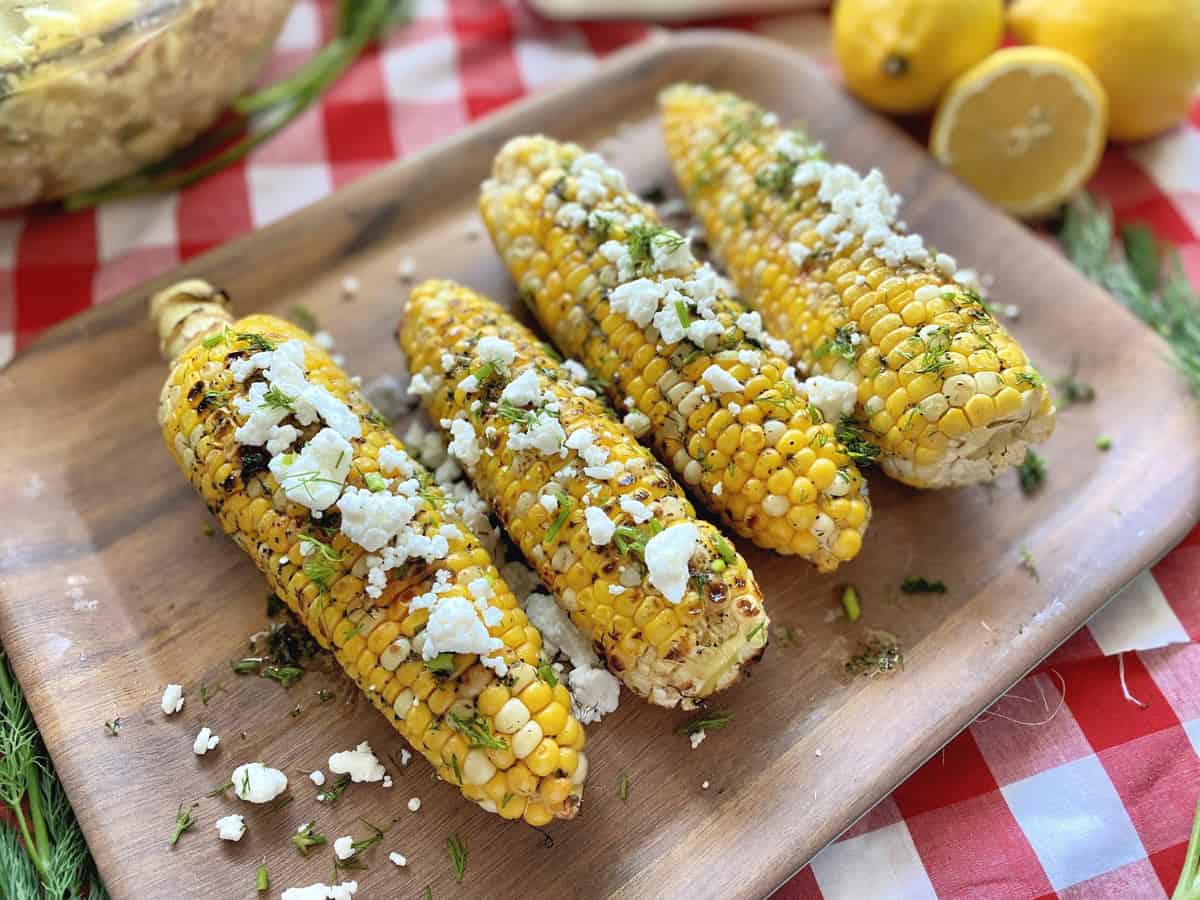

Please drop your suggestions in the thread, I plan to a bunch of different recipes.
 
  • Like
Reactions: Laura48
One of my favorite street foods in Greece is the grilled corn you get on the streets and every now and then, I like to try to replicate it at home. Do you have a favorite way of preparing this? Here is one of the recipes I am planning to try:


Please drop your suggestions in the thread, I plan to a bunch of different recipes.
This looks gorgeous. I’m vegan so would go with dairy free alternatives to the butter and cheese.

I tend to use a recipe by The Dirty Vegan for sweetcorn ribs, cobs cut into quarters, slathered in smoky chilli ingredients and popped under the grill. I could eat it by the bucketful.
 
I like to brush the corn with olive oil, rub a whole garlic clove all over it (to get the garlic flavor) and sprinkle it with salt and pepper and then grill. Then, sprinkle it with finely chopped feta or some grated kefalotiri when it comes off the grill and maybe some more olive oil. YUM!
 
  • Like
Reactions: Laura48

Do You Make Soutzoukakia With Cinnamon, Cumin, or Both?

I've been thinking about making soutzoukakia soon, and I'm curious how everyone seasons theirs. I've noticed that some recipes rely heavily on cumin, while others include cinnamon, and some use a combination of both.

I've always thought the spices are what make soutzoukakia so distinctive compared to regular Greek meatballs. Cumin gives them that warm, earthy flavor, while cinnamon adds something a little different. I'm wondering whether using both creates a better balance or if one spice should really be the star.

I'm also curious whether these differences come from family traditions or regional cooking styles. I know everyone seems to have their own way of making this dish, especially when it comes to seasoning the meat and tomato sauce.

How does your family prepare soutzoukakia? Do you use cinnamon, cumin, or both, and how much do you typically add?

Do you need to add cinnamon to meat sauce to make it a traditional Greek dish?

I've noticed that cinnamon seems to be a common ingredient in many traditional Greek meat sauce recipes, especially for dishes like pastitsio, moussaka, and makaronia me kima. However, I have to admit that I've never really enjoyed the flavor of cinnamon in savory meat dishes!

I love traditional Greek cooking and enjoy making recipes that have been passed down through generations, but the cinnamon always seems to stand out too much for my taste. I usually prefer using ingredients like garlic, onions, oregano, and other savory seasonings instead.

This makes me wonder whether cinnamon is really essential for making an authentic Greek meat sauce. Are there regional variations that leave it out entirely, or is it considered an important part of the traditional flavor?

I'd love to know how other Greek families prepare their meat sauce. Do you always include cinnamon, or do you sometimes skip it too?

How do you keep homemade spanakopita from getting soggy?

I've been thinking about making homemade spanakopita, and one thing I'm trying to figure out is how to keep it from getting soggy. I love when the phyllo is nice and crispy, but I know that spinach releases a lot of moisture, which can make that difficult.

I've heard that squeezing as much liquid as possible out of the spinach is important, especially when using frozen spinach. I've also heard that some people cook the spinach first to help remove excess moisture. I'm wondering if there are other tricks that make a difference.

Does the type of feta you use matter? What about the amount of olive oil or butter between the phyllo layers? I'm also curious whether the baking temperature makes a difference.

For those of you who make spanakopita regularly, what are your best tips for getting that perfectly crispy texture?

What is the secret to making really good Greek lemon potatoes?

I've been making Greek lemon potatoes for years, and it's one of those dishes I make completely by feel. I don't measure anything, and I never really thought about how I make them because it's all second nature to me.

Recently, I tried teaching someone how to make them. Everything seemed straightforward while we were cooking together, but when they went home and tried making them on their own, all kinds of things went wrong! The potatoes weren't cooking evenly, the texture wasn't quite right, and the lemon flavor didn't come through the way it should.

It made me realize how much I rely on instinct when cooking traditional Greek food. I rarely write down recipes, so explaining every little detail is harder than I expected!

For those who make Greek lemon potatoes regularly, what tips would you give someone who's just learning?

Do You Follow Family Recipes Exactly or Make Your Own Adjustments?

When I first started learning how to make traditional Greek dishes from my family, I tried to follow the recipes exactly as I was taught. I wanted everything to taste the way I remembered growing up, especially the dishes my mother and grandmother made.

Over time, though, I started making little adjustments of my own. Sometimes I'll add more lemon, change the amount of garlic, experiment with different herbs, or adjust the cooking method slightly. I still consider these family recipes, even if my versions aren't exactly the same as the originals.

I think that's part of what makes cooking so interesting. Recipes get passed down through generations, but each person adds a little something along the way.

I'm curious how others approach this. Do you stick closely to your family's traditional Greek recipes, or have you developed your own variations over the years?
Sign up for a free account and share your thoughts, photos, questions about Greek food, travel and culture!

WorldwideGreeks.com is a free online forum community where people can discuss Greek food, travel, traditions, history and mythology.
Join Worldwide Greeks here!

JOIN COMMUNITY FOR FREE

LOGIN TO YOUR ACCOUNT
Back
Top