1 - 3 of 3 Posts

nadellii

Active member
One of my favorite street foods in Greece is the grilled corn you get on the streets and every now and then, I like to try to replicate it at home. Do you have a favorite way of preparing this? Here is one of the recipes I am planning to try:
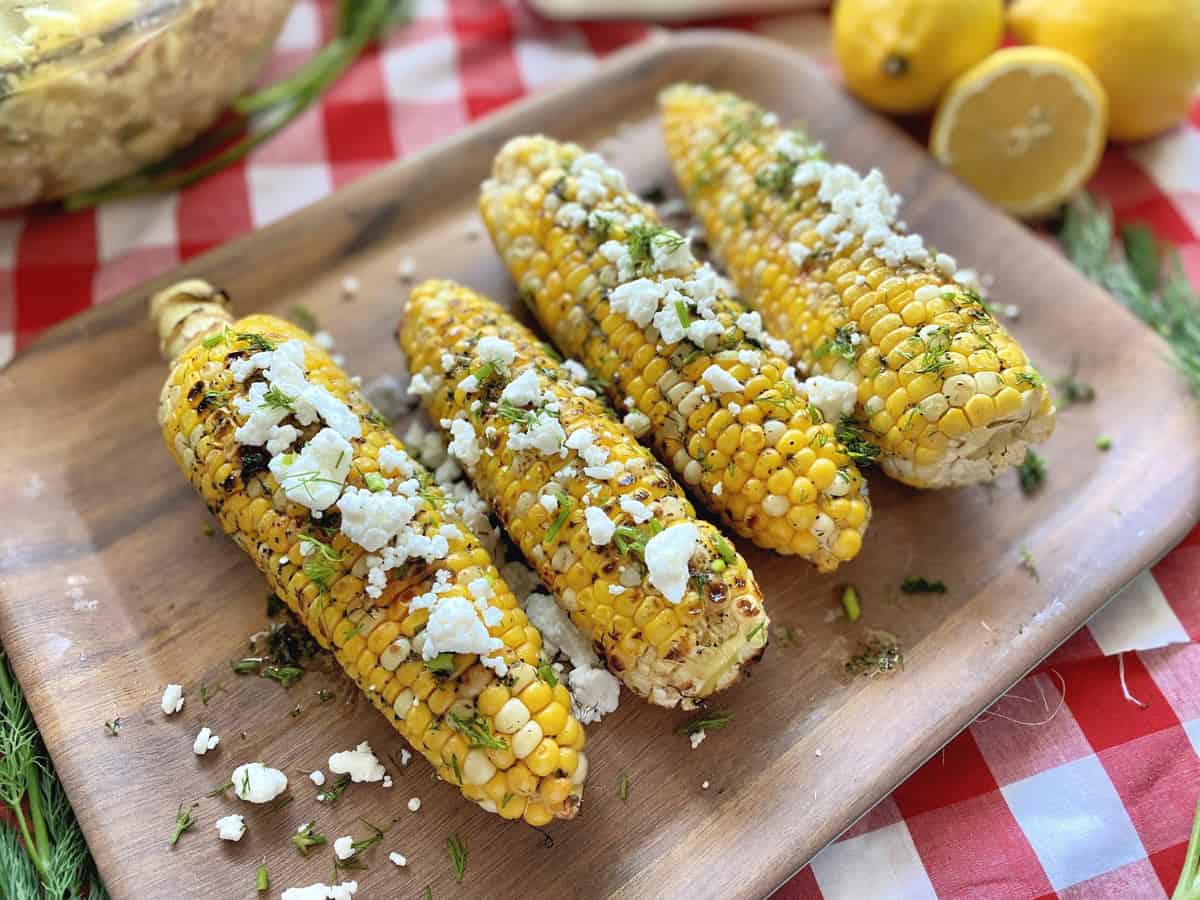

Please drop your suggestions in the thread, I plan to a bunch of different recipes.
 
  • Like
Reactions: Laura48
One of my favorite street foods in Greece is the grilled corn you get on the streets and every now and then, I like to try to replicate it at home. Do you have a favorite way of preparing this? Here is one of the recipes I am planning to try:


Please drop your suggestions in the thread, I plan to a bunch of different recipes.
This looks gorgeous. I’m vegan so would go with dairy free alternatives to the butter and cheese.

I tend to use a recipe by The Dirty Vegan for sweetcorn ribs, cobs cut into quarters, slathered in smoky chilli ingredients and popped under the grill. I could eat it by the bucketful.
 
I like to brush the corn with olive oil, rub a whole garlic clove all over it (to get the garlic flavor) and sprinkle it with salt and pepper and then grill. Then, sprinkle it with finely chopped feta or some grated kefalotiri when it comes off the grill and maybe some more olive oil. YUM!
 
  • Like
Reactions: Laura48

What meat do you use for giouvetsi?

I love making giouvetsi, and it's one of those traditional Greek dishes that I always come back to. I usually make it with either beef or lamb, depending on what I have available and what I'm in the mood for. Both are delicious, but they give the dish a slightly different flavor.

Lately, I've been wondering what other meats people use when making giouvetsi. I've heard of people using chicken, pork, and even goat, but I haven't really experimented much beyond my usual beef and lamb versions.

I'm curious whether certain meats are more traditional in different parts of Greece or if it's mostly a matter of family preference. I also wonder whether the cooking method changes depending on the meat.

What meat do you usually use for giouvetsi? Do you have a favorite, or does your family have a traditional way of making it?

What Is the Secret to Making Crispy, Flaky Phyllo?

I've been wanting to try making homemade phyllo dough, but I have to admit that the process seems a little intimidating! I've used store-bought phyllo plenty of times, but I've never really attempted making it from scratch. I would love to learn how to get those beautiful, thin, crispy layers that make traditional Greek pies so delicious.

For those of you who make your own phyllo, what are your secrets? Is the dough difficult to roll out thin enough, or does it become easier with practice? I've also heard that the amount of olive oil you use between the layers can make a big difference in the final texture.

I'm especially interested in making spanakopita and tiropita. Are there any beginner mistakes I should watch out for? I'd love to hear your techniques and family tips before I give it a try!

How do you keep homemade spanakopita from getting soggy?

I've been thinking about making homemade spanakopita, and one thing I'm trying to figure out is how to keep it from getting soggy. I love when the phyllo is nice and crispy, but I know that spinach releases a lot of moisture, which can make that difficult.

I've heard that squeezing as much liquid as possible out of the spinach is important, especially when using frozen spinach. I've also heard that some people cook the spinach first to help remove excess moisture. I'm wondering if there are other tricks that make a difference.

Does the type of feta you use matter? What about the amount of olive oil or butter between the phyllo layers? I'm also curious whether the baking temperature makes a difference.

For those of you who make spanakopita regularly, what are your best tips for getting that perfectly crispy texture?

What’s the Best Way to Squeeze Cucumbers for Tzatziki?

I've been thinking about the different ways people prepare cucumbers for tzatziki, and I'm curious about which method works best. Everyone seems to have their own technique for getting rid of the excess moisture!

Some people grate the cucumber, sprinkle it with salt, and let it sit before squeezing. Others skip the salt entirely and squeeze the cucumber immediately. I've also seen people use paper towels, clean kitchen towels, and even cheesecloth to get as much liquid out as possible.

I'm wondering whether salting the cucumber first actually makes a noticeable difference in the final texture. Does it help create a thicker, creamier tzatziki, or is squeezing enough?

What method do you use? Do you have a favorite technique that consistently gives you the perfect tzatziki? I'd love to hear everyone's tips and family tricks!

Does Cooking in a Clay Pot Really Improve Greek Food?

I've been thinking about trying some traditional Greek recipes using a clay pot, and I'm curious whether it really makes a difference in the finished dish. I've heard that clay pots distribute heat evenly and help keep food moist, especially when cooking slowly in the oven.

I'm imagining dishes like giouvetsi, lamb with potatoes, or even a simple vegetable dish. I love the idea of cooking Greek food using more traditional methods, but I'm wondering whether the results are noticeably different from using a regular baking dish or Dutch oven.

For those of you who have cooked Greek food in clay pots, what has your experience been? Does the food actually taste better, or is it more about the cooking experience? I'd also love recommendations for which dishes to try first and whether there's anything special I should know before getting started!
Sign up for a free account and share your thoughts, photos, questions about Greek food, travel and culture!

WorldwideGreeks.com is a free online forum community where people can discuss Greek food, travel, traditions, history and mythology.
Join Worldwide Greeks here!

JOIN COMMUNITY FOR FREE

LOGIN TO YOUR ACCOUNT
Back
Top