1 - 6 of 6 Posts

cf_fraiser

Active member
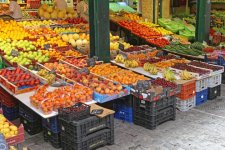
This is one of the best markets in the city with many historical roots! You can really find anything here and more and more vendors are coming every year with new foods, fruits, veggies, art and practically anything! I went food shopping there and it was so fun to chat with all of the farmers and hear about where the food was from :)

modiano-market-thessaloniki-720x480.jpeg
 
This is one of the best markets in the city with many historical roots! You can really find anything here and more and more vendors are coming every year with new foods, fruits, veggies, art and practically anything! I went food shopping there and it was so fun to chat with all of the farmers and hear about where the food was from :)

View attachment 499
I love traditional markets!! I would love to visit one day and check out all of the fresh produce
 
Thanks for the information! This looks like a great place.
 
This is one of the best markets in the city with many historical roots! You can really find anything here and more and more vendors are coming every year with new foods, fruits, veggies, art and practically anything! I went food shopping there and it was so fun to chat with all of the farmers and hear about where the food was from :)

View attachment 499
I am too old to travel and to enjoy the benefits pointed out by WG, so I do some navigating on the internet. The word "Modiano" caught my eye since I knew it as the name of an Italian publisher of Tarocchi [tarot playing cards], which I researched some years ago. // I have been attracted to Thessaly [ Thessalia or Pet-thalia] since I read Plato' "Cratylus", in which he searched for the meaning of "ApollOn", the name of the ancient god. In the process, he mentioned that this god is called Haplos in Thessaly. Believe it or not, I was in the process of exploring the source of an Etruscan [Italic] god called Aplu, after whom the Romans named a month, namely April. Aplu had statues and temples north of Rome. My etymology:
aprilis (mons/month) < apr-ilis < apru-ilis, the latter component being a Latin adjective-maker < aplu+ilis. Hence, April [directly from the Old French Aprille] means "Apollo's Month or "the Apollonian Month". I also found the meaning of the god's Ionian name.
 
Last edited:
  • Like
Reactions: greek_ggirl
I am too old to travel and to enjoy the benefits pointed out by WG, so I do some navigating on the internet. The word "Modiano" caught my eye since I knew it as the name of an Italian publisher of Tarocchi [tarot playing cards], which I researched some years ago. // I have been attracted to Thessaly [ Thessalia or Pet-thalia] since I read Plato' "Cratylus", in which he searched for the meaning of "ApollOn", the name of the ancient god. In the process, he mentioned that this god is called Haplos in Thessaly. Believe it or not, I was in the process of exploring the source of an Etruscan [Italic] god called Aplu, after whom the Romans named a month, namely April. Aplu had statues and temples north of Rome. My etymology:
aprilis (mons/month) < apr-ilis < apru-ilis, the latter component being a Latin adjective-maker < aplu+ilis. Hence, April [directly from the Old French Aprille] means "Apollo's Month or "the Apollonian Month". I also found the meaning of the god's Ionian name.
Good point, I didn't realize that Modian isn't a traditionally "Greek" name until you pointed it out
 
I am too old to travel and to enjoy the benefits pointed out by WG, so I do some navigating on the internet. The word "Modiano" caught my eye since I knew it as the name of an Italian publisher of Tarocchi [tarot playing cards], which I researched some years ago. // I have been attracted to Thessaly [ Thessalia or Pet-thalia] since I read Plato' "Cratylus", in which he searched for the meaning of "ApollOn", the name of the ancient god. In the process, he mentioned that this god is called Haplos in Thessaly. Believe it or not, I was in the process of exploring the source of an Etruscan [Italic] god called Aplu, after whom the Romans named a month, namely April. Aplu had statues and temples north of Rome. My etymology:
aprilis (mons/month) < apr-ilis < apru-ilis, the latter component being a Latin adjective-maker < aplu+ilis. Hence, April [directly from the Old French Aprille] means "Apollo's Month or "the Apollonian Month". I also found the meaning of the god's Ionian name.
Not just tarot, but playing cards. Company even has a wikipedia page:


I wonder how the market came to be named Modiano!? Anyone know?
 

Is Ladadika a Good Area to Stay?

I might be going to Thessaloniki, and I’ve been looking at different neighborhoods to stay in. Ladadika keeps coming up because it seems very central and close to restaurants, nightlife, and the waterfront.

For anyone who has stayed there, is Ladadika actually a good area to base yourself? I like the idea of being able to walk to a lot of places, but I’m wondering whether it gets too noisy at night or feels overly touristy.

I’d also love to know how convenient it is for getting to the main sights in Thessaloniki. Can you easily walk from Ladadika to places like the White Tower, Aristotelous Square, and the historic churches, or would I be relying on taxis or public transportation?

I’m still in the early planning stage, so I’m open to other neighborhood suggestions too. Is Ladadika where you would stay, or would you choose somewhere else?

Getting to Know the Creative Side of Thessaloniki

As Thessaloniki continues to change, I’m curious about the creative side of the city that exists beyond the obvious landmarks and nightlife. Not just big festivals or well-known venues, but the quieter, everyday forms of creativity that shape how the city feels.

I’m interested in places where people make things: small galleries, independent bookstores, workshops, rehearsal spaces, studios, writing groups, and informal gatherings. I’m also curious how creativity shows up in daily life, in neighborhoods, cafés, street culture, or the way people use public space.

For those who live there or spend time in the city, what feels genuinely creative to you? Are there neighborhoods, spaces, or habits that come to mind? And has the creative scene changed in recent years, or stayed largely the same? Any personal observations or lesser-known examples would be especially welcome from locals here.

Best Markets for Food Shopping in Thessaloniki?

One of my favorite things to do when visiting Greece is browse local food markets, and Thessaloniki seems like it would be especially fun for this. I’d love to hear which markets are best for finding fresh produce, olives, cheeses, spices, baked goods, and other Greek specialties.

Are there particular markets in Thessaloniki that you always recommend to visitors? I’m interested in both larger traditional markets and smaller neighborhood spots that locals actually use for everyday shopping.

I’d also love recommendations for specific stalls or shops within the markets, especially for things like feta, local cheeses, cured meats, herbs, honey, olive oil, or sweets that would make good gifts to bring home.

Are mornings the best time to visit? And are there any markets that are especially worth seeing even if you’re mostly going for the atmosphere and experience?

How hot is Thessaloniki in summer?

Because of everyone's schedules this year, we're going to Greece in July instead of our usual late summer trip. We'll be spending most of our time in the Thessaloniki area, and I've actually never visited that part of Greece in July before.
Hhow hot does it usually get? I know Greece is warm in general during the summer, but is the heat in Thessaloniki manageable, especially if you're walking around the city? Does the humidity make it feel much hotter, or does the sea breeze help at all?

We're planning to do a mix of sightseeing, wandering around neighborhoods, and eating outdoors, so I'm wondering if there are certain times of day that are better for exploring.

I'd love to hear from anyone who's been there in July. Any advice or things you wish you'd known before going would be greatly appreciated!

Thessaloniki Weekend Itinerary Ideas

I’m starting to plan a short trip to Thessaloniki and will likely only have a weekend there, so I’m trying to figure out how to make the most of the time. I know the city has a strong food culture, a lot of history, and a great waterfront, but I’m not sure how to structure a 2–3 day visit.

For those who have been, how would you break up your time? Are there specific neighborhoods, landmarks, or food spots that should be prioritized? I’m especially interested in a mix of walking, good meals, and a few key historical sites without trying to rush through everything.

Would you recommend focusing on the city itself, or is it worth trying to fit in a quick day trip nearby?
Share and discuss your Thessaloniki photos, questions and experiences!

WorldwideGreeks.com is a free online forum community where people can discuss Greek food, travel, traditions, history and mythology.
Join Worldwide Greeks here!

JOIN COMMUNITY FOR FREE

LOGIN TO YOUR ACCOUNT
Back
Top