

Menu
Install the app
How to install the app on iOS
Follow along with the video below to see how to install our site as a web app on your home screen.
Note: This feature may not be available in some browsers.
You are using an out of date browser. It may not display this or other websites correctly.
You should upgrade or use an alternative browser.
Greek Food, Cooking and Recipe Community
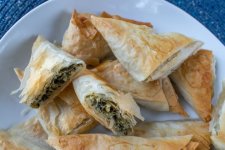
Which do you like better Tiropita or Spanakopita and why?
- Thread starter Worldwide Greeks Editor
- Start date
1 - 8 of 8 Posts
mastichas09
Active member
Spanakopita for sure!! I like to think that it's healthier because of the spinach LOL
Hahah! The spinach makes it so healthy!Spanakopita for sure!! I like to think that it's healthier because of the spinach LOL

Spanakopita all the way, especially since my husband is lactose intolerant. If I eat tiropita, I like it to be individually wrapped in phyllo as though I'm eating a snack, like I do with cheese and crackers(only tiropita tastes a lot better.). Spanakopita, on the other hand , I could eat as a meal as a huge piece. I tell myself it's a very nutritious choice having spinach, eggs, and cheese as main ingredients. We won't mention all the butter I put in it!I love both but tend to be more of a tiropita (Greek cheese pie) fan, but not too much feta! Sometimes I have had it with not enough phyllo and all cheese. What are everyone elses thoughts?
MixaliPlagionakis
New member
They are both ok but why does everyone always forget about the unsung hero of pita. The Kreatopita AKA the ManOpita as my family calls it. Meat, Greek spices an Phyllo, what else can anyone want!! If you haven't tried it your missing out!
Thats facts!! Everyone always forgets about kreatopita and kotopita, ugh soo goodThey are both ok but why does everyone always forget about the unsung hero of pita. The Kreatopita AKA the ManOpita as my family calls it. Meat, Greek spices an Phyllo, what else can anyone want!! If you haven't tried it your missing out!
1 - 8 of 8 Posts
JOIN THE DISCUSSION AND READ OTHER GREEK INFO:
Do You Make Soutzoukakia With Cinnamon, Cumin, or Both?
- kcixcy
- Greek Food Forum
- Replies: 0
I've been thinking about making soutzoukakia soon, and I'm curious how everyone seasons theirs. I've noticed that some recipes rely heavily on cumin, while others include cinnamon, and some use a combination of both.
I've always thought the spices are what make soutzoukakia so distinctive compared to regular Greek meatballs. Cumin gives them that warm, earthy flavor, while cinnamon adds something a little different. I'm wondering whether using both creates a better balance or if one spice should really be the star.
I'm also curious whether these differences come from family traditions or regional cooking styles. I know everyone seems to have their own way of making this dish, especially when it comes to seasoning the meat and tomato sauce.
How does your family prepare soutzoukakia? Do you use cinnamon, cumin, or both, and how much do you typically add?
What herbs do you use when making Greek stuffed zucchini?
- cubrinj
- Greek Food Forum
- Replies: 0
I've been thinking about making Greek stuffed zucchini (kolokithakia gemista), and I'm curious about which herbs everyone uses in the filling. I've seen quite a few variations, and it seems like the combination of herbs can really influence the overall flavor of the dish.
Some recipes use plenty of fresh dill and parsley, while others include mint or even a little oregano. I've also noticed that some people add green onions for extra flavor. I'm wondering whether certain herbs are considered more traditional, especially when making stuffed zucchini with rice and ground meat.
Do you use a combination of herbs, or do you prefer to keep the seasoning fairly simple? Does your family have a particular recipe that has been passed down through generations?
I'm especially interested in how the herbs complement the avgolemono sauce. What combination do you think gives Greek stuffed zucchini the best flavor?
Does Cooking in a Clay Pot Really Improve Greek Food?
- redsoxdw_
- Greek Food Forum
- Replies: 0
I've been thinking about trying some traditional Greek recipes using a clay pot, and I'm curious whether it really makes a difference in the finished dish. I've heard that clay pots distribute heat evenly and help keep food moist, especially when cooking slowly in the oven.
I'm imagining dishes like giouvetsi, lamb with potatoes, or even a simple vegetable dish. I love the idea of cooking Greek food using more traditional methods, but I'm wondering whether the results are noticeably different from using a regular baking dish or Dutch oven.
For those of you who have cooked Greek food in clay pots, what has your experience been? Does the food actually taste better, or is it more about the cooking experience? I'd also love recommendations for which dishes to try first and whether there's anything special I should know before getting started!
Do You Prefer Gemista With Rice Only or With Ground Meat?
- knicks_fan87
- Greek Food Forum
- Replies: 0
I usually make gemista with a mixture of rice and ground meat, which is how my family has always prepared it. I love how flavorful and hearty it turns out, and it's one of my favorite traditional Greek dishes to make.
However, I have a vegan family member, and I want to make a version that uses just rice and vegetables so everyone can enjoy it. I've had gemista prepared this way before, but I've never actually made it myself. I'm wondering what adjustments I should make to get the same rich flavor without the meat.
Do you prefer gemista with rice only, or do you typically add ground meat? For those who make the vegetarian version, what herbs, seasonings, or other ingredients do you use to give the filling plenty of flavor?
What Greek dishes were your favorites to learn from your family?
- d_kakavouli
- Greek Food Forum
- Replies: 0
One of my favorite things about Greek cooking is how much of it gets passed down through families. So many traditional recipes aren't necessarily written down. Instead, we learn by watching our parents, grandparents, and other relatives prepare dishes they've been making for years.
I've learned quite a bit this way, and I find that some dishes become so second nature that it's actually difficult to explain the process to someone else! You just develop a feel for how much of each ingredient to use and when everything looks or tastes right.
I'm curious what everyone else's experiences have been. What Greek dishes were your favorites to learn from family members? Were there certain recipes you especially enjoyed helping with when you were younger?
And do you still make those dishes exactly as you were taught, or have you developed your own little variations over the years?
Sign up for a free account and share your thoughts, photos, questions about Greek food, travel and culture!
WorldwideGreeks.com is a free online forum community where people can discuss Greek food, travel, traditions, history and mythology.
Join Worldwide Greeks here!
JOIN COMMUNITY FOR FREE
LOGIN TO YOUR ACCOUNT

